
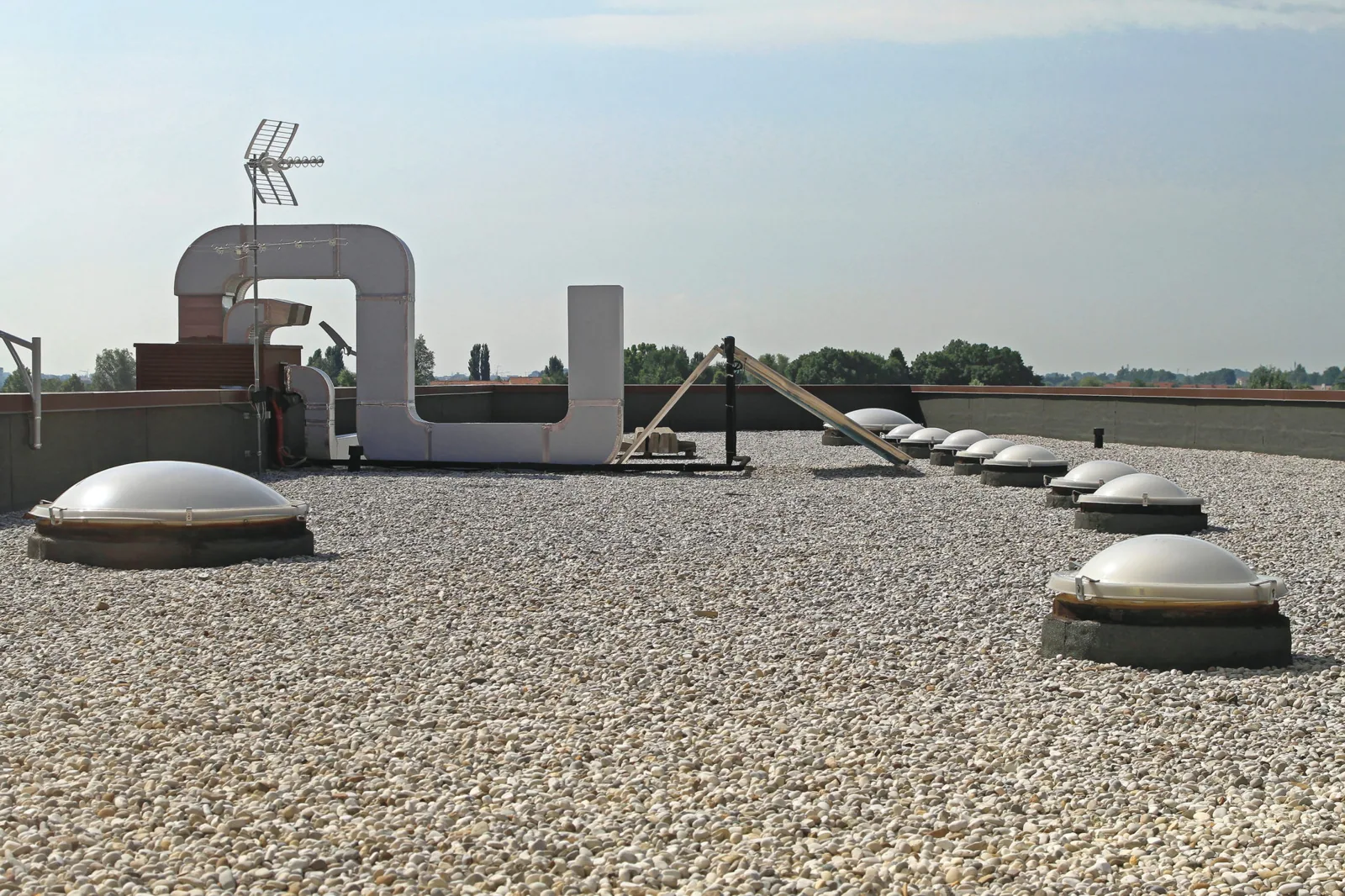
Built-Up Commercial Roofing in Rio Rancho, NM

A crack in the surface does not show how many built-up roof layers have separated beneath it. In Rio Rancho, NM, sun, hail, and fast monsoon rainfall place different demands on the cap sheet, aggregate, flashing, and drains. We inspect the surfacing, seams, roof edges, penetrations, and assembly layers where the condition allows. Suspect moisture is tested and marked. The repair boundary follows the layer that failed and the substrate that can support a new tie-in. The facility director gets a roof-zone record that distinguishes a surface repair from a deeper assembly correction.

Ply and Surfacing Review

Built-up roofing is assembled from multiple plies of reinforcing felt and bitumen, often finished with aggregate or a cap sheet. We identify what is visible, inspect transitions, and use test cuts if the layer count or moisture condition cannot be confirmed. We check for exposed felt, cracks, blisters, loose aggregate, open seams, and patches that have lifted. The roof plan marks the test location and the condition below the surface. A crack in a cap sheet can be isolated, or it can indicate movement in the underlying plies. The test helps distinguish those cases.

Aggregate can protect the membrane surface, but loose or displaced stone must be reviewed around drains and equipment. We check whether granules or gravel have blocked an outlet, then inspect the membrane at the bowl. If a core shows wet insulation, we map the boundary before replacing material. We do not treat one dry test as a roof-wide finding. Separate areas are tested when their history, drainage, or surface condition differs. This method gives the facility team a repair map instead of an assumption based on an average roof condition.

Ply Repair and Flashing

A local repair removes failed surfacing and material until sound plies can receive a compatible tie-in. We prepare the area, rebuild the membrane detail, and restore the surface protection specified for that roof. If moisture reaches insulation or the deck, the repair expands to include those layers. A roof repair scope lists the removal limit, replacement material, flashing, and surfacing separately. Where repeated failures or broad wet areas extend beyond a local boundary, the owner can compare replacement with more patch work.

Flashings are checked at parapets, curbs, pipes, skylights, drains, and expansion joints. Built-up plies must turn up and terminate securely at each transition. We inspect cant strips, metal counterflashing, termination bars, and sealant without assuming a new surface layer will correct a loose base. At a drain, we check the clamping ring, sump, and surrounding membrane. The drain and scupper details may need separate work if water cannot reach the outlet. A completed repair shows where the new ply ends and how it connects to the existing assembly.

Surface Stress and Drainage

Rio Rancho has recorded quarter-size hail and localized monsoon downpours. Hail can damage a cap sheet or expose reinforcement, but a dent or stone displacement is not proof of a puncture. We inspect the specific area and test where the assembly may be affected. Heavy rain can move aggregate toward bowls or reveal a low area. We trace the runoff path after accessible outlets are clear and document standing water separately from a leak. If a surface crack aligns with a ponding zone, testing determines whether moisture has moved beneath the plies.

Sun and heat can age asphaltic surfacing and sealants. We inspect for brittleness, open lap edges, and changes near metal transitions. A reflective coating may be considered only if the existing assembly is sound, dry, and compatible with the product. Coating over exposed felt, loose aggregate, or wet plies does not repair the underlying condition. A coating evaluation begins with adhesion and moisture testing. The city’s NM 528 and Southern Boulevard commercial corridors illustrate the broad range of roof use in the area, but the actual system and site exposure are verified at the building.

Installation Sequence

New built-up work begins with substrate acceptance, insulation, and base sheet attachment. The sequence sets ply orientation, bitumen application, cap sheet or surfacing, and flashing details according to the project documents. Hot-work controls and fire-watch requirements are confirmed before any heat-applied work. We protect equipment, drains, intakes, and occupied areas from debris and fumes. Each shift closes the active roof zone with a dry-in detail that can withstand expected weather. If a concealed deck condition differs from the estimate, crews stop at a defined boundary while the owner reviews the change.

Material delivery, kettle or adhesive staging, hoisting, and debris removal need a site plan. At Rio Rancho’s Industrial Park and Campus Centre, property access and operating schedules may affect those tasks. We coordinate with the facility contact on roof hatches, production areas, pedestrian routes, and equipment shutdowns. Before turnover, the crew checks completed plies, flashings, drains, and exposed edges. The project log identifies material used and the roof zones completed.

System and Scope Choices

Built-up roofing can be repaired by ply, surfaced, recovered, or replaced depending on moisture, attachment, deck condition, and the building’s use. We compare the existing assembly with a modified bitumen or TPO system when replacement is under review. Each option has different seams, surfacing, and detail requirements. New Mexico applies its commercial building rules to applicable work, including the 2021 IBC with state amendments; energy requirements may affect insulation design. The scope confirms what review is needed before final material selection. A test cut can reveal ply adhesion and moisture beneath surfacing, giving the owner a defined basis for repair or removal.

For an inspection, provide existing roof specifications, repair history, leak locations, access requirements, and any planned equipment changes. We identify the ply layers where accessible, test suspect moisture, and mark the boundary for repair or removal. At Rainbow Business Park or Enchanted Hills Commerce Center, access is set with the property contact. A condition report can retain test cuts, photos, and follow-up priorities for the facilities team. The report should identify which roof zones were tested, how the sample was repaired, and what the result supports. It also distinguishes a visible surface defect from confirmed moisture below the plies. The maintenance team can use the mapped findings to monitor repaired areas and schedule access to drains or flashing that could not be reached during the initial visit. We keep open questions visible so the next inspection can answer them directly instead of repeating the same general survey. If the owner approves a repair, the closeout identifies the exact ply layers removed and installed, how the surface was restored, and which flashing transition was rebuilt. Those details support later maintenance without overstating the test beyond the point where it was taken.

Common Questions About Built-Up Commercial Roofing

Can a built-up roof crack be patched from the surface?

Sometimes, but we first check the plies and substrate. If moisture or separation continues below the crack, the repair must extend to that layer.

How do you determine how many built-up roof layers exist?

Visible edges and records help, but a test cut may be needed. We map and restore the opening and record what each layer shows.

Can coating be applied over built-up roofing?

Only if the assembly is dry, sound, and compatible. We inspect surfacing, adhesion, and flashing, then repair failures before considering a coating system.

What happens to gravel near roof drains?

We clear accessible material and inspect the bowl and surrounding membrane. If aggregate has moved because of slope or drainage conditions, we identify that correction separately.

Inspect the Built-Up Layers

Share roof specifications, repair records, leak locations, and access rules. We will inspect the plies, test suspect areas, and map the repair boundary by roof zone.