
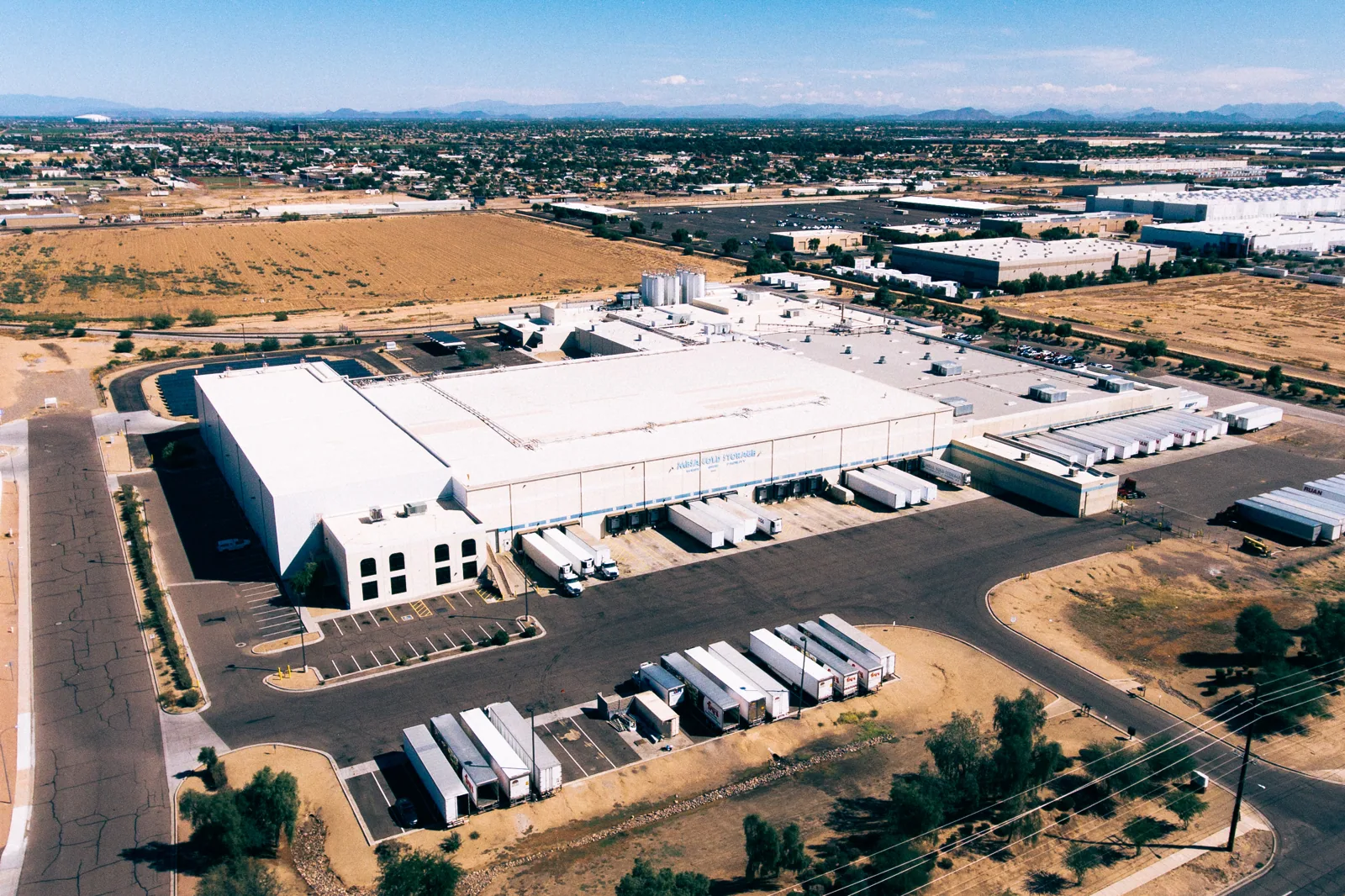
Cold Storage Roofing in Rio Rancho, NM
Warm, humid air meeting a cold roof assembly can put condensation at the center of a leak investigation. In a Rio Rancho cold-storage building, we inspect the roof surface, vapor-control transitions, penetrations, and drainage before deciding whether the issue is a membrane defect or a broader assembly condition. The work plan protects temperature-controlled operations and identifies which area can be opened, tested, and closed during the available service window.
Separate condensation from water entry
Moisture inside a cold room can come from a roof leak, a vapor-control discontinuity, a door or wall transition, or process conditions. We compare the report with roof layout, temperature-control boundaries, mechanical penetrations, and weather timing. A stain alone does not identify the source. If the roof insulation may be wet, we map suspect areas and use targeted testing or a controlled opening to verify the assembly before assigning removal quantities.
At a cold-side penetration, seal continuity matters as much as the visible roof flashing. We check pipe supports, refrigeration lines, exhausts, curbs, and abandoned openings, then coordinate with the refrigeration contractor if equipment must move. A roof patch should not trap moisture or bridge a moving support. The insulation and cover-board review can document the affected layers, and we document which opening has lost its roof-side seal.
Cold storage can maintain a temperature difference across the roof, wall, and mechanical space. We inspect where the vapor retarder meets curbs, parapets, and wall assemblies, because a discontinuity at one of these transitions can move moisture into concealed layers. We record the detail and the nearby temperature-controlled zone without assigning a cause from an interior mark alone. If a test cut is needed, the facility approves its position and the method for restoring air and moisture control before we proceed.
Keep drains clear and identifiable
Cold-room roof conditions can be hard to diagnose when drains, scuppers, or overflow points are hidden behind equipment or screens. We trace the water route across the field and inspect each outlet, flashing collar, and wall discharge. If water remains after cleaning, the low point and insulation need evaluation; coating does not change the underlying roof slope. The report distinguishes a clogged outlet from a settled assembly so the repair matches the cause.
Rio Rancho has experienced short, intense monsoon rainfall near Enchanted Hills and in northwest areas. Those short bursts make drain capacity and runoff paths worth checking before the next monsoon window. At the property, we inspect the outlets and low areas directly. At the worksite, we inspect the drain bowl, scupper throat, overflow path, and membrane transition. A drain and scupper scope can restore an outlet connection, while the ponding-water assessment can measure a persistent low area.
Drainage observations should include the route after water leaves the roof. We check scuppers, downspout joints, discharge points, overflow details, and any area where runoff can return toward a wall or equipment pad. The closeout records whether a drain was cleared, repaired, or left for additional access. If an outlet stays slow, the low point is measured after the obstruction is removed so the facility can distinguish service debris from a slope or deck issue.
Plan around temperature and sanitation
Facilities may have product, sanitation, and access rules that limit where crews can stage or open the roof. The site contact identifies temperature-sensitive rooms, food or material protection, alarms, and any cleaning controls before work begins. We plan containment, interior protection, debris movement, and shift-end closure with the operations lead. If material is opened, the scope states what keeps the roof weather-tight while testing or repair is underway.
Cold storage may operate continuously even when a roof project is phased. We identify the area below the work, coordinate refrigeration or ventilation interruptions, and keep equipment service routes clear. A planned shutdown should have a written time and responsible contact. If work cannot finish in the window, the crew closes the opening and records what remains. Occupied-building roofing can structure sequencing, while a distribution center roof plan addresses loading traffic that may be present at a separate operation.
Material and sanitation controls may also limit where tools, debris, and foot traffic can travel. The supervisor confirms clean-side and service-side routes, containment below the work, and protection for nearby intakes. If work affects a refrigeration line or exhaust unit, the responsible operator confirms shutdown and restart procedures. Those details belong in the daily sequence alongside the roof boundary, not as an assumption made after the membrane is opened.