
Commercial Roofing in Rio Rancho City Center, Rio Rancho, NM

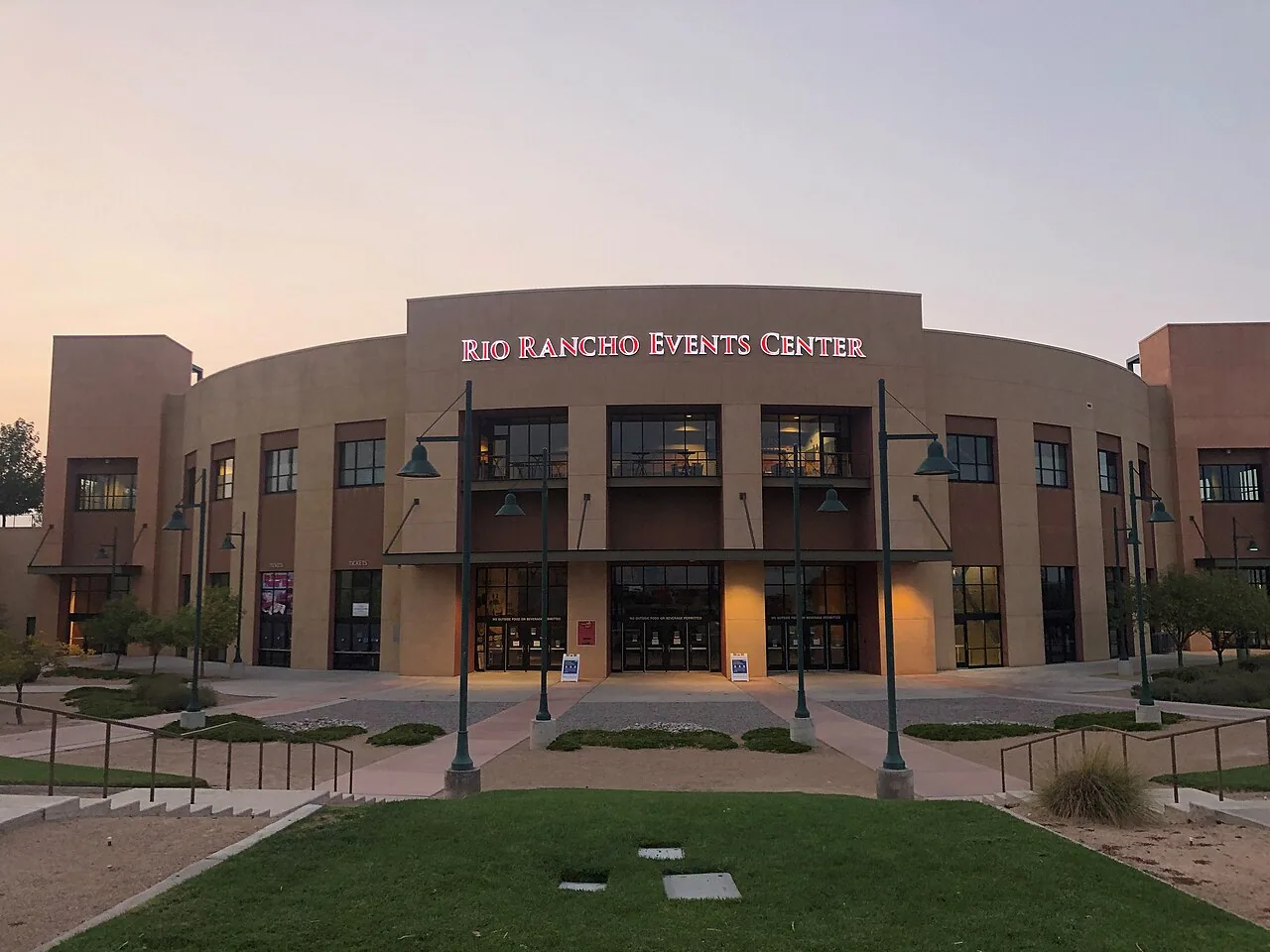
A drain bowl beside an occupied suite can set the route for an entire roof inspection. Rio Rancho City Center is a 160-acre planned area near the city's geographic center, served by Paseo del Volcan, Unser Boulevard, and King Boulevard. The city plan inventory names City Hall, the regional event arena, and a Hewlett-Packard call center among developments in the area. We work from the actual property and roof map: identify the assembly, inspect seams and penetrations, trace water toward outlets, and coordinate access around the building's operations. The report records a tested boundary, not an assumption based on a district label.

Coordinate around the building schedule

City Center includes civic, employment, event, commercial, education, and residential planning components. A roof visit may need to account for staff, tenants, scheduled events, or restricted access, depending on the property. We confirm the facility contact, hatch route, roof plan, staging location, and interior areas that need protection. If an active leak is reported, we prioritize safe entry and temporary water control before a complete condition survey. Emergency response can stabilize a roof zone while the permanent repair boundary is established.

Paseo del Volcan, Unser Boulevard, and King Boulevard are the routes identified to serve the planned area. They help orient travel and service coordination, but do not tell us where a roof hatch, loading dock, or restricted area sits. The building contact identifies those details. For a facility with public activity or event schedules, we can divide work into roof zones and set a sequence that keeps a route clear. An occupied-building work plan lists protection below, material staging, and the access window before a larger repair or replacement begins.

Inspect the assembly, not the district

Commercial roofs may use TPO, PVC, EPDM, modified bitumen, built-up roofing, or metal, but City Center planning facts do not establish which system covers a specific building. We confirm the installed membrane from project records and field details. At a leak, we follow the likely runoff path from the interior report toward the seam, curb, wall, drain, or edge metal. We probe suspected openings and inspect earlier patches before selecting new material. The hands-on inspection separates visible conditions from areas that need moisture testing or an opening.

Rio Rancho has strong summer sun and seasonal hail. Heat can affect membrane surface conditions and work timing, while a hail mark needs physical review before it is called a puncture. We check lap edges, fasteners, flashing, and penetrations around the affected zone. If water entry appears near equipment, a recent service record may show whether the curb or conduit was altered. A roof condition report labels findings by roof zone and lists the evidence behind each recommendation, giving the property manager a record that can be compared on the next visit.

Trace runoff through the roof zones

Water can move beneath a membrane before it reaches a ceiling tile. We check the nearest drain bowl, overflow, scupper, low area, and transitions along the suspected path. A clear outlet does not rule out wet insulation, and an interior stain does not identify the roof entry point by itself. Moisture mapping can help target testing; a controlled opening may be needed to confirm the layers. We record the method and its limits so a manager can tell which areas were observed and which were verified directly.

Normal rainfall at the Albuquerque airport is concentrated in July and August, while Rio Rancho has also experienced short, intense monsoon bursts. One 2018 event dropped more than two inches near Enchanted Hills in about an hour. Those regional conditions make drain and overflow checks useful after a heavy storm, but the roof at the property determines whether water was retained or damage occurred. The drain and scupper service checks the actual route; a ponding-water review looks at a low area that stays wet after the outlet is clear.

Choose repair, restoration, or replacement

A repair is appropriate when the defect is bounded and the surrounding assembly is stable. Repeated leaks, wet insulation, loose attachment, or widespread surface deterioration can justify comparing repair with restoration or replacement. We document the size and location of affected zones, edge heights, equipment clearances, and any access limits. Cost and timing depend on the number of details, tear-off requirements, insulation work, temporary dry-in, crane access, and the schedule around occupied areas. A repair scope identifies immediate work; a replacement plan lays out removal, substrate review, new assembly, and tie-ins.

City Center's planned mixture of employment, civic, commercial, and residential uses means the owner may need to coordinate more than roof access. We identify the space below a work zone, communicate a safe route, and stage materials so operations can continue where conditions allow. If a coating is being considered, we test the actual substrate and inspect drainage first; a coating does not correct failed seams or trapped moisture. The restoration review records adhesion and preparation needs before an owner compares it with a localized repair.

Leave a roof map the next team can use

Closeout should identify the confirmed roof system, repair material, test performed, restored seam or flashing, photographs, and any outstanding item. We mark each finding by roof zone and note whether it was visual, probed, or opened for confirmation. Owner-provided specifications or warranty documents may set requirements before alteration; we review them rather than assuming the product name controls. A roof asset record can keep the condition history, upcoming work, and access notes together.

The city plan names City Hall, a regional event arena, and a Hewlett-Packard call center among City Center developments. Those named developments describe the broader planned area, not the roof condition at a separate property. Each owner receives a field-based record for their own building. If later HVAC, electrical, or solar work changes a curb or penetration, add the service date and affected roof zone so the next inspection can trace the alteration. For a broader regional comparison, the Campus Centre area is another planned employment and education district, while Loma Colorado is a separate mixed-use redevelopment area.

For inspection planning, share the property location, roof plan, reported leak or decision, available product records, access contact, and a suitable work window. We confirm the route and protection needs before mobilizing. For urgent water entry at night or on a weekend, our crew can respond outside standard hours. We first protect occupied space and stabilize the exposed zone, then return to verify the membrane, substrate, and permanent repair boundary.

Common Questions About Rio Rancho City Center

What buildings do you serve in Rio Rancho City Center?

We work on commercial, civic, employment, event, education, and residential properties in the planned area. The city inventory names City Hall, the regional event arena, and a Hewlett-Packard call center, but each property requires its own roof inspection and access plan.

Can you inspect a roof while the property remains occupied?

We coordinate with the building contact on hatch access, staging, interior protection, and work hours. The sequence depends on the roof and the operations below it. If a section must be opened, we agree on the protection and dry-in plan before work begins.

How do you determine where a leak is entering?

We trace the reported area toward seams, penetrations, walls, and drains, then test likely details. Water can travel below the membrane, so an interior stain alone does not define the repair. The report distinguishes observation from confirmed findings.

Does monsoon rainfall mean a City Center roof was damaged?

No. Local weather history gives us a reason to inspect drainage and transitions after a heavy event, but the building's roof shows whether water was retained or a detail opened. We document what we find at that property.

What information helps you price a replacement?

A roof plan, known membrane layers, moisture findings, edge and penetration details, equipment constraints, and access schedule help define scope. We verify those conditions and identify tear-off, insulation, dry-in, and tie-in needs before comparing options.

Plan a City Center roof inspection

Share the property location, roof plan, reported condition, access contact, available records, and event or operating constraints. We will map the roof zones and document the tested next step.