
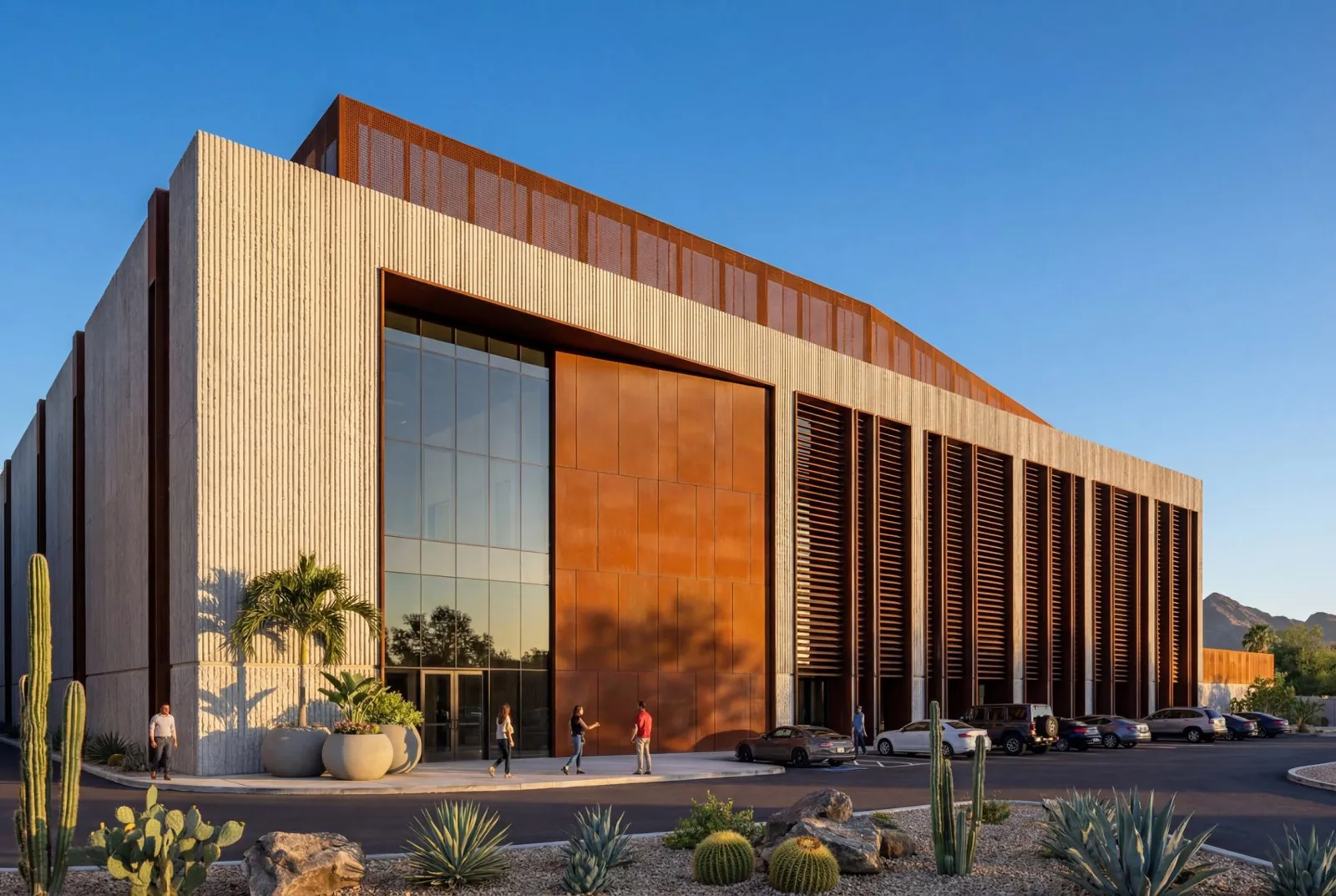
Data Center Roofing in Rio Rancho, NM

A roof opening above a cooling path can become an uptime issue before water reaches a server room. In Rio Rancho, summer heat and fast monsoon bursts make the sequence, temporary closure, and drain path part of the assessment. We map the existing roof assembly against sensitive zones identified by facility staff, then test suspected moisture before setting a repair boundary. The work plan names who can approve access and how a weather delay is secured.

Keep critical paths protected

The facility identifies cooling equipment, power routes, cable entrances, alarms, clean-agent systems, and rooms that cannot be exposed to debris or water. We record roof access, escort requirements, shutdown limits, and the person who releases each work area. If an opening is required, the scope defines its position, interior protection, and closeout condition before work begins. Critical systems stay available only when the facility’s operating controls and the roof sequence allow it.

Rio Rancho includes semiconductor manufacturing and packaging at Intel’s Fab 9 and Fab 11X. That local technology-intensive activity makes equipment protection a useful roof-planning lens, without suggesting that those facilities are data centers. Each property supplies its own controls and roof information. An occupied-building work sequence can establish daily zones, while portfolio reporting keeps condition records aligned across sites.

Roof work over a live facility needs an agreed notification path for alarms, water sensors, and temporary protection. We confirm who receives an update when weather changes the work window and who can stop a roof opening if the facility reports a new condition below. Each shift closes with a known boundary, photographs, and a responsible contact. The daily record helps operations distinguish roof work from a separate equipment alert.

Locate the entry before opening

A drip near a cable tray or cooling unit may begin at a seam, drain, parapet, curb, or abandoned penetration farther away. We compare the interior report with roof slope, equipment paths, prior repairs, and the point where water could cross the deck. Thermal patterns and surface stains guide inspection but do not prove wet insulation. We map suspect zones and use targeted testing where the result would change removal or protection decisions.

Work over sensitive rooms needs a controlled opening and a defined stopping point. The facility contact confirms interior monitoring and who can authorize a larger test if wet material extends beyond the first boundary. A moisture survey can prioritize test locations, with confirmation before assigning concealed damage. The report separates confirmed condition, suspected area, and portion not reached so the capital team can see what evidence supports the scope.

When water appears near cooling equipment, condensate and roof entry must be treated as separate possibilities until inspection narrows the path. We check condensate drains and service connections with the equipment team, then examine roof-side flashing, seams, and runoff routes. The record distinguishes what the roof crew observed from conditions handled by mechanical service. This avoids extending a roofing scope to a system connection that has not been inspected.

Coordinate roof and equipment changes

Cooling units, exhaust, conduits, and communication pathways can cross several roof zones. We inspect curbs, pipe supports, mounting points, flashing, and technician walk paths, then coordinate with mechanical and electrical trades before equipment is moved. An abandoned curb needs a permanent closure; a relocated unit needs a new support and roof-side detail that matches the final position. The roofing scope identifies trade interfaces and keeps responsibility clear at each connection.

Rio Rancho Industrial Park concentrates industrial development near Northern Boulevard and NM 528. The broader corridor can help orient delivery planning, but the facility contact sets actual gate, lift, and staging rules. The curb and support review documents roof conditions around equipment, and a manufacturing facility roof assessment accounts for process access controls that differ from data-center operations.

Account for heat and sudden rain

Hot roof surfaces affect safe access, sealant work, and application windows. We check material limits and sequence removal so the roof can be closed before crews leave. Summer precipitation is concentrated in short periods, so drains, overflow paths, and temporary tie-ins need inspection before and after work. The site team identifies any intake that requires protection during cleaning or application and confirms who receives a weather-delay notice.

Rio Rancho City Center combines employment, commercial, education, and civic uses in its planning area. Those planned and existing functions sit within a changing district, but they do not establish a particular building’s roof system or equipment. The assessment stays on the actual site. A drainage review checks the outlet and adjacent membrane, and check any reported storm impact against the roof details at the property.

Deliveries and lift placements can be more constrained than the route to the property suggests. The facility contact identifies secure entry, escort handoff, material screening, and where a lift may operate without blocking emergency access. At Rio Rancho Industrial Park, the district’s industrial location helps with routing, but the actual facility sets the security and staging rules. We record those restrictions before setting a crew date.

Set a controlled capital scope

A local flashing defect may be repaired if the surrounding assembly is dry and secure. Repeated leaks, broad wet insulation, attachment failure, or deck deterioration can point toward a larger project. We compare repair, recover, and replacement using verified roof zones, operational limits, and what remains concealed. Costs and timing depend on access controls, equipment density, test openings, material removal, interior protection, and the amount of work that can proceed in one window.

A commercial roof inspection creates the baseline; a replacement scope can state removal, tie-in, and daily closeout requirements. Share roof plans, equipment changes, leak history, access rules, and the authorized contact. The closeout record should include test points, photos, materials, completed boundaries, and remaining questions. If the facility operates more than one building, each assembly keeps its own evidence even when portfolio reporting uses a common format.

An office or administrative wing can share a roof with technical operations while needing a different access notice and interior-protection plan. A commercial office roof review can help define those occupant-facing limits. The property map still labels the assembly and zones separately so a leak observation from one side is not transferred to another without evidence.

If capital planning requires a phased project, we state the start and stop points, temporary tie-in, equipment clearance, and test result required before the next phase. A roof that cannot be opened during a maintenance window may need an interim repair, but that measure is documented separately from the permanent scope. The owner can then compare exposure, access, and renewal needs with the operational contact before authorizing work.

Common Questions About Data Center Roofing

Can a data center stay online during roof repairs?

A phased sequence may protect service continuity when access, containment, weather protection, and tie-ins support it. Facility operations sets the controls and areas that cannot be interrupted.

How do you protect cooling and power equipment?

We map sensitive zones with facility staff, coordinate equipment access, and define interior safeguards before opening the roof.

Does a thermal scan prove the insulation is wet?

No. It can identify an area for closer review. Testing or a controlled opening confirms moisture when it changes the repair boundary.

What should be included in the closeout record?

Keep roof zones, test results, equipment interfaces, photographs, materials, temporary protection, and any area still needing access together.

How does Rio Rancho weather affect work?

Heat and brief heavy-rain periods affect access, material application, and daily closeout. We plan to the product requirements and secure open zones before a delay.

Coordinate roofing with uptime controls

Provide the roof plan, equipment paths, access requirements, leak reports, and the person who can approve testing. We will map conditions and define controlled work zones.