
Commercial Roofing in Enchanted Hills Commerce Center, Rio Rancho, NM
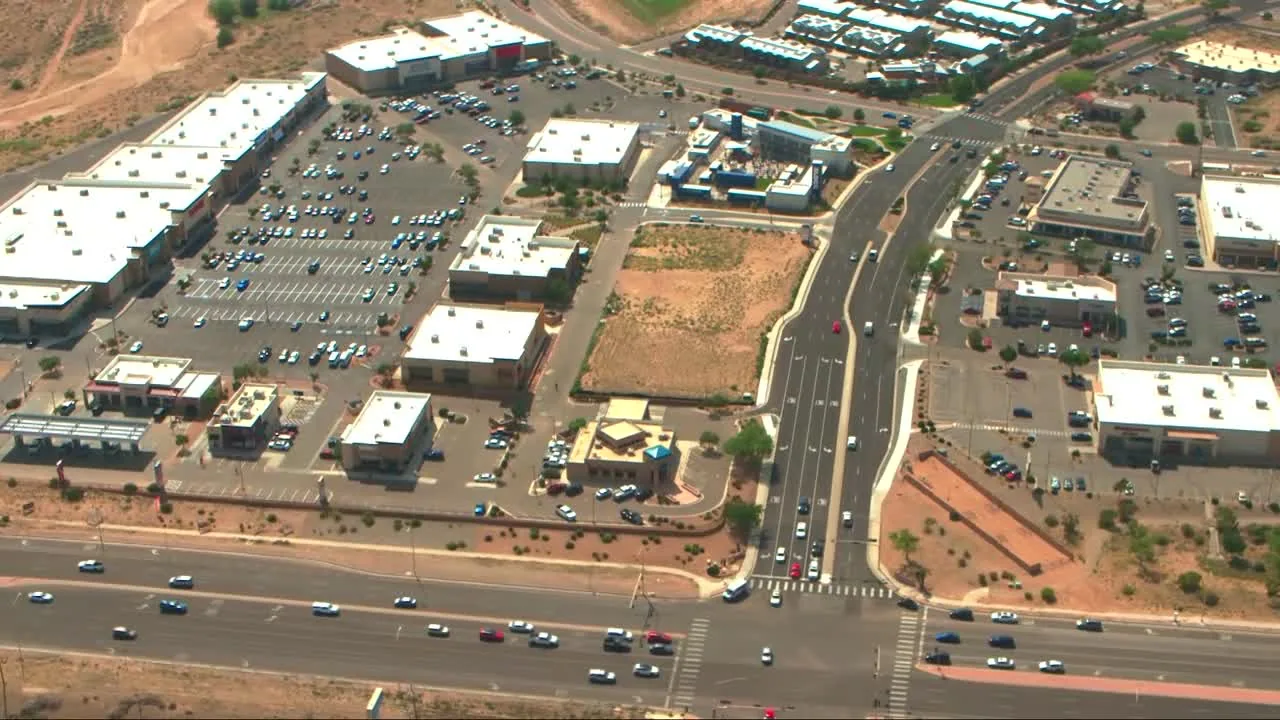
A drain overflow beside a rooftop unit can change where a commercial roof inspection begins. Enchanted Hills Commerce Center covers about 210 acres within the larger planned and zoned Enchanted Hills Unit 20 area. The center occupies the southwest corner of NM 528 and NM 44, with NM 44 providing the closest physical access to I-25 and Bernalillo and NM 528 connecting Rio Rancho with Alameda and northwest Albuquerque. We plan inspection and repair around the property itself, verify the roof assembly, and map the tested zone before work expands.
Coordinate access across the commerce area
A commercial and industrial plan area can include different owners, active work, and access constraints. We confirm the building contact, approved roof entry, service route, staging location, and protection needed below. The area plan does not establish which individual properties are built, how they are occupied, or what membrane is installed. We inspect the actual roof and record confirmed conditions. The hands-on inspection begins with a roof plan and reported concern, then identifies which details can be checked safely during the approved window.
The NM 528 and NM 44 junction helps orient the broader area, but it does not identify a hatch, loading area, or restricted part of a property. We confirm those specifics with the facility contact. If an inspection covers multiple roof sections, we label each section and keep photos attached to its zone. Work around active deliveries or equipment service may need separate access windows. The occupied-property work plan lists staging, interior protection, debris handling, and dry-in steps before the roof is opened.
Identify the system before repair
Commercial roofs in this area may use different membrane and metal assemblies; the planned land use does not tell us what a given building has overhead. We compare records with the field sheet, seams, attachment, flashing, edge metal, and prior patch details. A product invoice or old roof map can support the identification, but field conditions determine the current repair. If layers differ between sections, we label them separately. The TPO assembly review is relevant only after the actual sheet is confirmed; an EPDM or modified-bitumen repair requires its own preparation and compatible material.
Rio Rancho experiences strong summer sun and seasonal hail. A surface mark after hail is not automatically a breach; we inspect for a puncture, cut, open lap, or damaged flashing. Heat can also affect the working temperature of a membrane, so a weld or adhesive repair is tested under the conditions at the roof. The hail inspection records the impact area, adjacent seams, and whether an opening was verified. That keeps repair decisions tied to the actual tested roof rather than the weather event alone.
Trace runoff and inspect the drain path
A wet ceiling tile may be several feet from the roof entry point. We trace the likely runoff path through seams, penetrations, curbs, wall transitions, drain bowls, and overflows. If moisture below the membrane may change the scope, a scan can help choose a test location, while an opening may be required to confirm insulation and substrate. We identify which observations are visual and which came from testing. The repair boundary follows the confirmed condition, not simply the area directly above the stain.
Normal rainfall in the Albuquerque region is concentrated in midsummer, making outlet and overflow access useful before the wet season. A regional climate pattern does not show whether this commerce-center property received water damage. We check the actual drain bowl, scupper, overflow, and low areas. A drain and scupper inspection can uncover an obstruction; a ponding-water review considers slope and insulation if water remains after flow is restored. Those are separate findings and should not be folded into one patch note.