
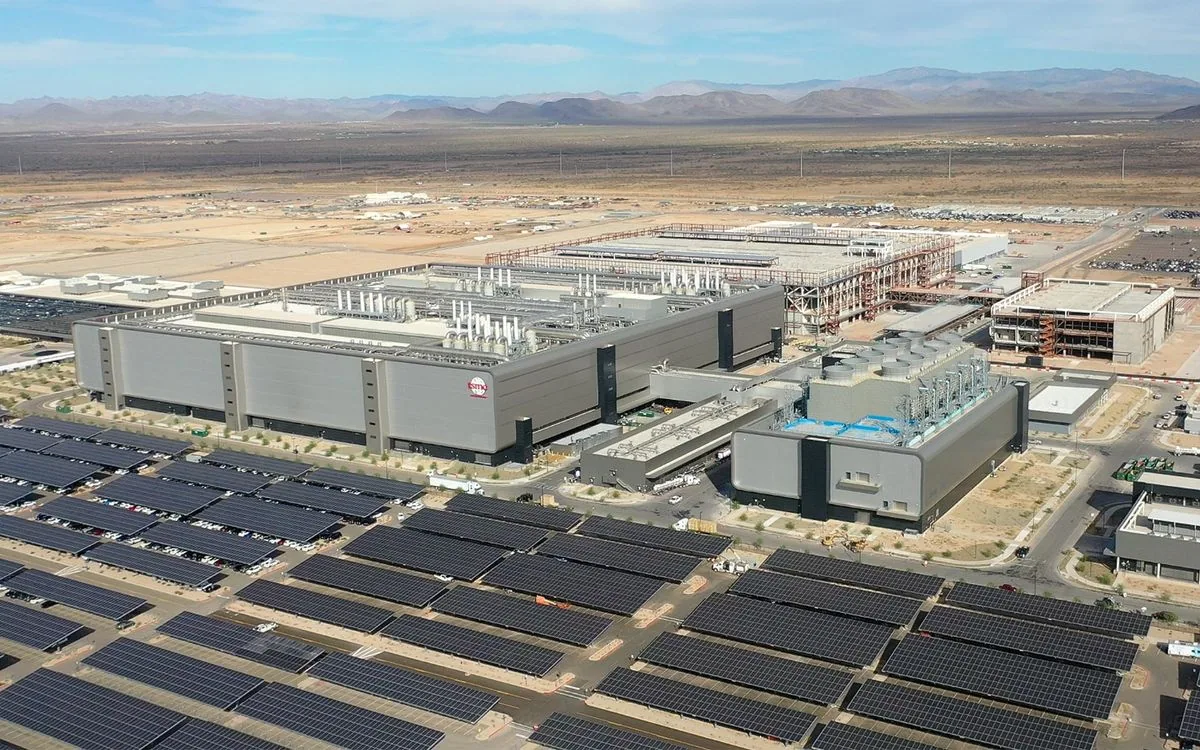
Commercial Roofing for Manufacturers in Rio Rancho, NM

A loose flashing at a process exhaust can admit water while the production line below continues to run. We identify the roof zone, equipment interface, and access controls before deciding whether the detail can be repaired during normal operations. In Rio Rancho, strong sun, hail, and sudden monsoon runoff test exposed laps and drainage, while a manufacturing site may impose its own shutdown and safety limits. The inspection records what was reached, what was tested, and where the repair boundary stops.

Coordinate the roof with production

Before mobilization, we confirm the roof access route, escort, lockout requirements, equipment status, loading location, and contact authorized to approve added work. A crew may need to work around exhaust, piping, electrical trays, or process equipment. The field plan identifies any interface where another trade must isolate or move equipment before a curb or penetration is opened. The occupied-facility sequence divides the work into zones and states how each area will be protected at shift end.

Rio Rancho’s adopted planning context identifies industrial employment near Northern Boulevard and NM 528. Intel operates semiconductor manufacturing and packaging facilities in the city, including Fab 9 and Fab 11X. Each plant has its own roof assembly and operating controls. We confirm the system from the property records and field details before planning work around production. A route through the industrial park area still needs an exact building contact and site access approval.

Follow each penetration to its tie-in

At exhausts, conduits, roof-mounted piping, and curbs, water can enter at the flashing or travel from a nearby seam. We check the membrane termination, counterflashing, fasteners, sealant, and movement between the roof and supported equipment. A photograph includes the surrounding field so a later repair can be located. Where interior evidence could change the removal boundary, targeted testing is authorized before material is cut. The inspection record distinguishes the visible opening from any concealed condition that remains unconfirmed.

Near Enchanted Hills, Rio Rancho has recorded a brief August monsoon burst with rainfall rates approaching three inches per hour. That event does not establish conditions at another facility, but it makes drain and overflow access a practical item to inspect after a local storm. That kind of burst makes clear overflow paths and drain access useful, but the actual roof must show a drainage problem before the report says one exists. We check strainers, bowls, scuppers, overflows, and low areas for debris, deformation, or trapped water. If ponding is present, a drainage investigation separates an obstructed outlet from a slope or assembly issue.

Use evidence before widening removal

A production roof often has multiple phases, equipment additions, and repairs. We map transitions and mark where the existing assembly changes instead of treating the whole field as one uninterrupted system. Infrared or electronic scans can point to a test location, but readings are interpreted with weather, surface, and construction conditions in view. An opening confirms the layers and moisture at that spot. The condition record states the method and limits so a facility manager can decide whether the sample represents only a curb, one zone, or a larger investigation.

Rio Rancho’s hot summer conditions influence safe access and some material application windows. If an installation process requires a dry or temperature-bounded surface, the work plan follows that product’s requirements and the actual forecast. The crew also keeps an exposed area within the protection plan. If operations cannot pause, we can sequence the work so only approved roof zones are opened, then close each shift with temporary or permanent weather protection that matches the authorized scope.

Select a compatible detail repair

A patch must bond or weld to sound surrounding material. We identify the membrane, coating, metal, substrate, and attachment before choosing the correction. At a moving penetration, a bead of sealant over a failed termination may hide the opening without restoring the connection. A repair scope lists the preparation, compatible materials, tie-in, removal limit, and closeout check. If damage extends below the field, the work stops at the approved boundary until test results support an expansion.

When a plant has several roof sections, we sequence work by the equipment interfaces and production windows rather than by a broad roof age. One area may need a local flashing repair; another may require removal after moisture testing. For a larger decision, compare recovery and replacement against layer count, attachment, drainage, edge height, insulation, and dry-in needs. A capital schedule can separate urgent repairs from renewal assumptions while preserving the details that affect cost and downtime.

Keep plant records useful to operations

Closeout should identify the work zone, system, repair material, photographs, access limit, and any equipment coordination. Record whether a roof hatch, escort, or lockout restriction prevented a complete inspection. When production equipment changes later, the facilities team can compare the new curb or penetration with the roof-side record. A distribution operation may have different loading and shift requirements, but the evidence still belongs to its specific building and work order.

We do not assume a building shares a system because it belongs to the same manufacturer or campus. Each roof map names its own areas, and each closeout lists which item was repaired, tested, or left for follow-up. If the repair needs a return window, state the operating contact and condition that should trigger it. A healthcare facility record likewise depends on its own access and equipment controls. That distinction lets a multi-building owner use consistent reporting without flattening different roof assemblies into one rating.

When the work affects a production roof, keep the daily access approval with the repair record. The next maintenance shift can then identify which area stayed closed, which test was completed, and who can release a return visit. This is especially useful when a site has different operating windows near Northern Boulevard and the NM 528 employment area.

Common Questions About Manufacturers

Can roof repairs happen while production continues?

Often, when the area, equipment controls, and weather protection are planned before work begins. We coordinate access, lockout, exhaust status, and the person who can authorize changes. The plan identifies what can be completed within the shift and how an open zone is secured before the crew leaves.

How do you inspect a leak near production equipment?

We map the interior report to the roof penetration, curb, seams, and drainage path, then check the detail and surrounding membrane. If concealed moisture could change the work, we propose a controlled test opening with the repair and interior safeguards defined. The record keeps the observation separate from an unconfirmed assumption.

Does a manufacturing site need a different roof system?

A building’s actual use, equipment, structure, drainage, and code conditions determine the assembly. We identify the installed system and its constraints before discussing repair or renewal. A facility label alone does not establish membrane type, attachment, or condition.

What should a plant manager provide before the crew arrives?

Provide the access route, escort and lockout rules, equipment restrictions, roof plans, reported leak area, and the name of the work approver. Note production windows and loading limitations. We will set a work zone and inspection sequence that reflects those controls.

How do you handle a roof with several construction phases?

Transitions are mapped and verify the roof system in the field. A test opening may be needed where layers or attachment cannot be identified from records. The scope then assigns repairs and follow-up by zone, without carrying one section’s findings over to another.

Set a production-aware roof inspection

Send the building location, reported condition, roof records, access and equipment restrictions, and available work window. We will inspect the relevant zone and document the repair boundary.