
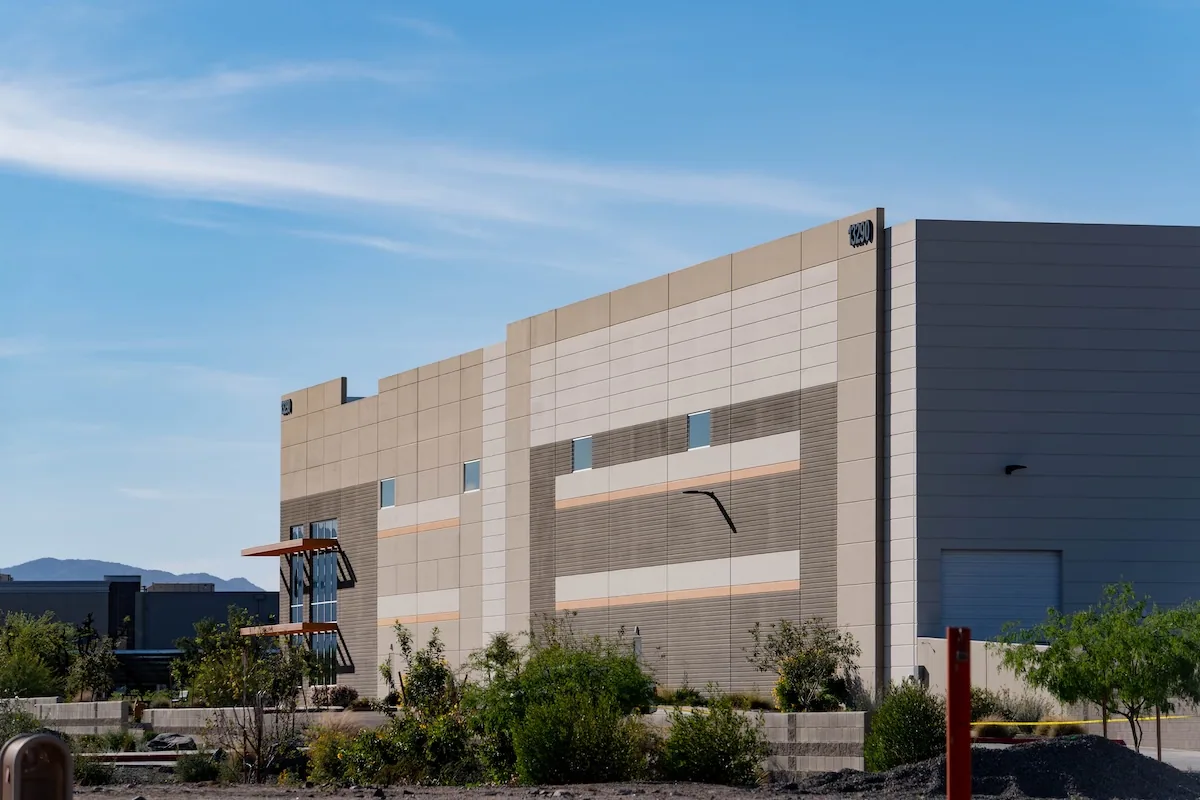
Warehouse Roofing in Rio Rancho, NM
A loose fastener above a loading bay can interrupt more than the roof. In Rio Rancho, heat, hail, and brief monsoon bursts make the fastener line, eaves, and drainage outlets worth checking before the next shift. We inspect the panel or membrane, trace water toward its discharge, and identify which warehouse zones remain in service. The recommendation names the tested repair boundary and the access condition that could change it.
Keep the receiving edge open
Dock doors, trailer circulation, lift traffic, and interior inventory shape how a warehouse roof project can be reached. The facility contact identifies receiving peaks, where a lift may stage, and which doors cannot be blocked. We map roof zones against those operating limits before material arrives. If a leak sits above stored goods, the plan also identifies interior protection and the route for moving stock out of the exposure area.
A repair at one dock should not automatically close a full elevation. We inspect the eave, gutter, wall transition, panel seam, and nearby drain, then separate roof work from door or dock equipment work. A commercial roof inspection can document which bay and roof section were reached. The service record keeps an inaccessible corner visible so no one mistakes an access limit for a clean condition.
Storage racks, overhead doors, and roof framing define where temporary protection can be installed without blocking daily picks. We review the building contact’s map of sensitive inventory and identify the aisle or bay below each proposed opening. If the roof uses metal panels, we inspect fastener rows, laps, ridge transitions, and penetrations for movement or corrosion. On a low-slope system, we check seams, edge terminations, and water paths around rooftop equipment. The observed assembly sets the repair method.
Trace runoff to the outlet
Warehouse roof planes can carry water a long distance before it reaches a gutter, internal drain, or scupper. We check slope, seams crossing the runoff path, drain bowls, downspouts, overflow openings, and places where debris can collect. If water remains after an outlet is cleared, we inspect the surrounding surface and test the assembly before proposing a coating or patch. A low area can need a different correction from a blocked drain.
Rio Rancho has had intense short-duration rain near Enchanted Hills. That event is a reason to verify actual outlets and wall transitions, not evidence that a particular warehouse has ponding. The drain and scupper scope can address a failed connection, while a ponding-water review distinguishes slow drainage from a depressed assembly. We record what was observed after flow clears, not just the first pool of water.
Identify the roof before choosing material
A warehouse may use metal panels, TPO, PVC, EPDM, built-up roofing, or a coating, and additions can introduce another assembly. We confirm the system, attachment, substrate, insulation, edges, and previous repairs before selecting a weld, fastener, flashing, or seal. Metal roofs need panel and fastener checks; membrane roofs need seam and penetration checks. A surface patch cannot correct wet insulation, loose attachment, or a deteriorated deck.
At the industrial cluster near Rio Rancho Industrial Park, multiple building uses share a broad employment area, but one roof assessment does not establish another structure’s condition. We tag photos to the inspected building and zone. If a section needs renewal, a replacement scope compares removal, insulation, edge details, equipment, and debris routing against a repair boundary that can be defended from the field evidence.
Warehouse roof access can also depend on stored material and service traffic. We confirm which ladders, hatches, or interior lifts can be used and whether a roof section is blocked by ducts or solar equipment. Before a core or test cut, the owner approves the location and interior safeguards. The opening is closed with a compatible assembly and recorded on the roof map. A distribution center roof review addresses trailer and conveyor constraints that may accompany a different operating pattern, while a manufacturing roof assessment weighs process and production controls.