
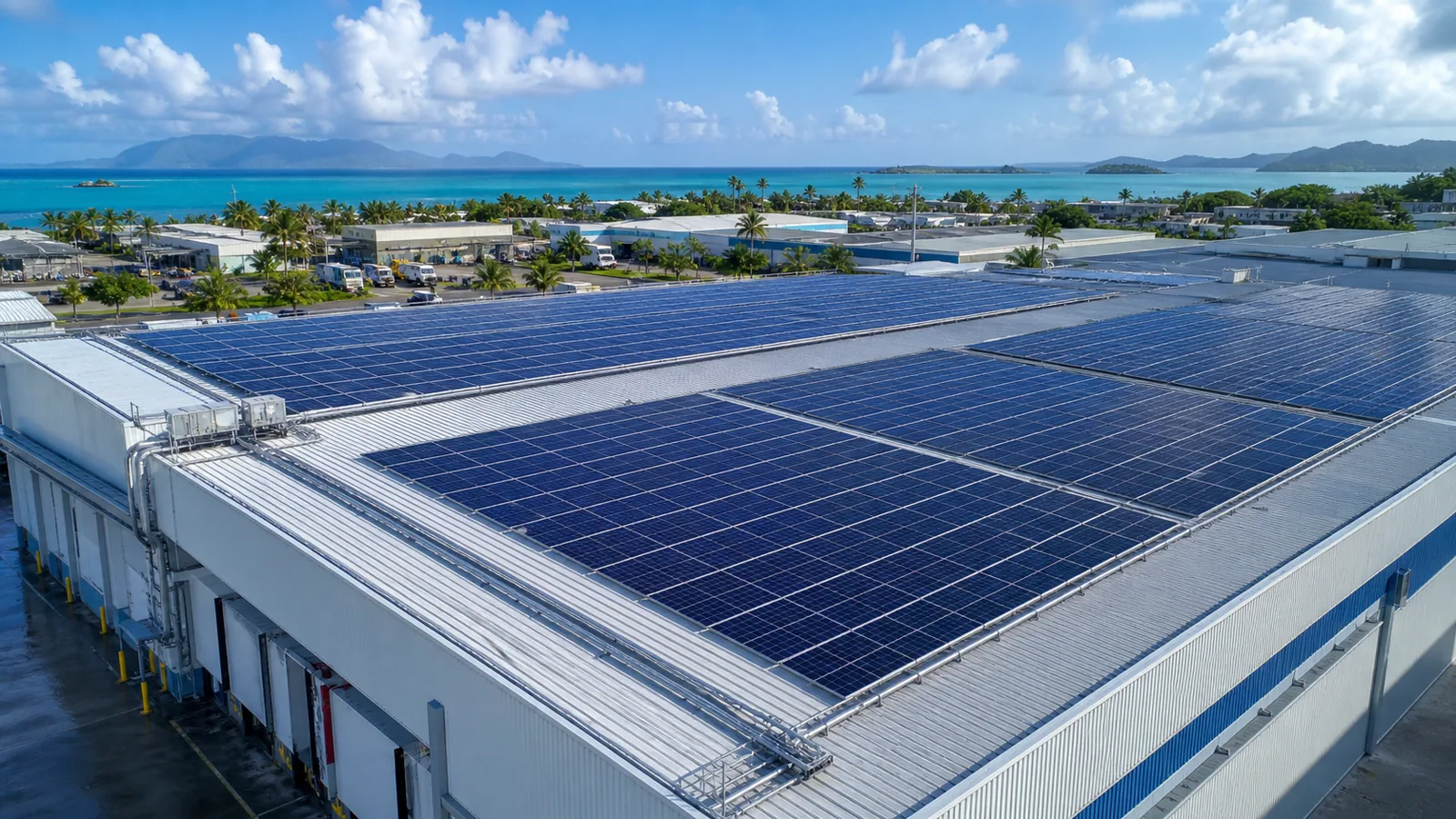
Solar-Ready Commercial Roofing in Rio Rancho, NM
A solar array adds supports, pathways, and service activity to a roof that already has its own drainage and repair needs. In Rio Rancho, NM, heat, hail, and monsoon rainfall make the roof assembly part of the solar decision, not a surface to cover after design. We inspect the membrane, insulation, seams, drains, and equipment zones, then coordinate penetrations and support locations with the project team. The facility director receives a roof plan that identifies existing defects, proposed work, and maintenance access before panels are installed.
Roof Readiness Review
We begin with the roof’s age and condition only where records support them, then verify what is installed in the field. The review covers membrane type, seam condition, flashing, insulation, moisture, edge details, drainage, existing repairs, and access routes. We map areas that need repair or testing before solar work begins. A roof with confirmed wet insulation or unstable attachment may need repair or replacement before it can carry a new array. The inspection does not determine structural capacity; the solar designer or structural engineer evaluates loads using the building information and proposed equipment.
In Rio Rancho, heat, hail, and monsoon rain make roof condition part of the solar decision; they do not establish whether a particular roof is ready. We compare the proposed panel footprint with drains, scuppers, skylights, curbs, expansion joints, and pathways to mechanical equipment. The planned City Center and Campus Centre districts include commercial, institutional, and employment uses, while industrial activity is concentrated near Northern Boulevard and NM 528. Those facts help describe the local building mix; each roof plan and operation still needs direct review. We flag restricted zones and avoid placing supports over a known repair boundary where possible.
Supports and Attachment
Solar supports can be attached, ballasted, or integrated with a system designed for the roof assembly. The selected approach must account for structural loads, uplift, membrane compatibility, drainage, and maintenance access. We coordinate the roofing detail with the solar installer’s drawings and the structural designer’s requirements. A support base that punctures the membrane needs a sealed, compatible flashing detail; a ballast system needs a roof surface and structure that can accept its weight. The proposal records what the roofing contractor installs and what the solar contractor supplies.
Before the first penetration, we mark support locations and agree on the flashing sequence. If the array layout changes after roof work, the new location is reviewed against seams, drains, and prior repairs. We protect the membrane during staging and keep fasteners, wire, and packaging from entering drain bowls. Where a support must cross a roof seam or walk path, we detail the transition and record it on the map. The curb and support review can be coordinated with the solar work so equipment and roof details are not treated as separate surfaces.
Membrane and Warranty Details
Solar work affects roof access, membrane exposure, and future repair routes. We check system requirements and project documents for approved attachment and flashing details rather than assume all products work together. A new membrane can be selected during reroofing, but the detail must remain accessible after panels are in place. For an existing roof, we inspect whether repairs or replacement are needed before array installation. A replacement project can coordinate insulation, cover board, and solar supports in the same sequence; a recover is considered only when the existing assembly passes moisture and attachment checks.
We map a route to drains, inverters, disconnects, and equipment that service staff need to reach. Walk paths should avoid fragile skylights and protect the membrane from repeated traffic. If the solar layout blocks an outlet or makes a flashing inaccessible, the design needs adjustment before installation. We also identify where future panel removal could be required for roof repairs. The condition report can list areas under the array and the inspection method available there. Solar-ready work does not remove roof maintenance obligations; it makes them more dependent on planned access.