
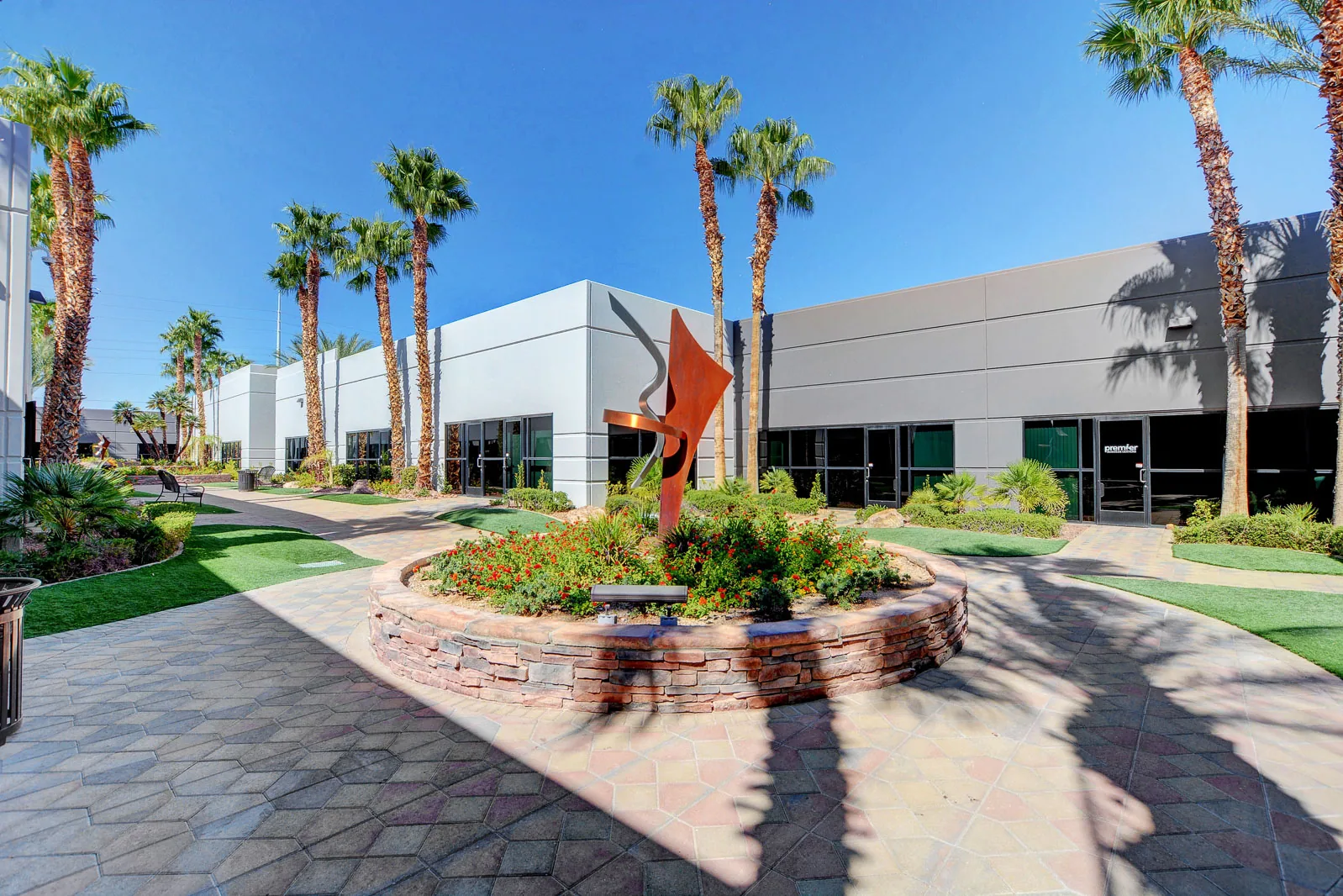
Commercial Roofing in Rainbow Business Park, Rio Rancho, NM

A perimeter detail beside a planned access route can shape the inspection sequence and repair staging. Rainbow Business Park is identified in Rio Rancho's amended Northern/Rainbow plan as a focus for employment uses within a 306.4-acre planning area. The plan area spans from Northern Boulevard to Sandia Boulevard, while Rainbow Boulevard and the 3rd/4th Street line mark its remaining sides. The plan links land use and zoning with access management and design standards. We inspect the actual property, verify the roof system, and document each tested zone instead of assuming that planning boundaries describe a building's roof.

Confirm the property and route

The Northern/Rainbow plan provides a defined area and standards for future development, but it is not an inventory of completed businesses, building uses, roof types, or access points. We confirm the owner, site contact, entry gate, loading route, roof hatch, and work window before mobilizing. If a lift or material delivery affects a shared route, we agree on placement and barriers with the facility contact. An occupied-building work plan states how people, equipment, and roof work will be coordinated.

Rainbow Boulevard, Northern Boulevard, Sandia Boulevard, and the 3rd/4th Street boundary help locate the planned district, while a separate Northern/Rainbow District assessment covers the broader planning area. The Northern Boulevard Area is another designated corridor with its own land-use plan. Those areas can provide context for travel and scheduling, but each commercial property's roof still needs its own drawing, access approval, and field inspection.

Identify the roof system and repair limit

A ceiling leak report can lead to a seam, curb, drain, wall, or edge metal, and the entry point may be offset from the interior mark. We trace the likely runoff path, probe suspected laps, inspect penetrations, and check nearby patches. If moisture below the membrane could expand the work, a scan can focus testing, while an opening may be necessary to verify insulation and substrate. The commercial roof inspection distinguishes visual findings from measured or tested conditions.

Employment zoning offers no evidence about a particular roof assembly. We read construction and maintenance records beside the visible sheet and seam details before choosing compatible repair material. Earlier repairs or overlays may have left different layers in separate zones. A TPO roof review applies when the sheet is confirmed; otherwise, we use the correct preparation for the installed system. A labeled closeout photo connects the repair to the actual seam or transition that was tested. We also record the attachment type where visible, the condition of adjacent insulation or cover board if opened, and whether the repair remains accessible for future checks. The owner can then compare the same zone after a later equipment service or seasonal inspection. If a test was limited by access, the record names the area and the method needed to finish the review.

Review membrane, edge, and drainage exposure

Heat affects roof surface temperature during welding and adhesion tests; seasonal hail marks need inspection before they are called damage. Surface temperature matters during welding and adhesion tests; hail marks need inspection before they are called damage. We check seams, edge metal, corners, penetrations, fasteners, and drain transitions for a cut, opening, or movement. A wind and edge review records physical conditions, not assumptions based on a regional event.

July and August carry the highest normal rainfall in Albuquerque; Rio Rancho also sees short monsoon bursts. A pre-season check can confirm that drains and overflows are reachable and free of debris. It cannot prove that a Rainbow Business Park roof has standing water. We inspect the actual bowl, scupper, low point, and surrounding field. A drain and scupper inspection addresses the outlet; if a low area remains wet after drainage is restored, a ponding-water assessment evaluates slope and layers below.

Compare a tested repair with a larger project

A single opening on sound membrane may be repaired locally once the boundary is tested. Repeated failures, confirmed wet insulation, loose attachment, or deterioration across several zones can change the comparison. We measure affected areas, check edge heights and penetrations, and identify access constraints that affect staging. Cost and timing depend on removal, insulation work, dry-in, disposal, lift availability, and work-hour limits. A repair estimate records the immediate work; a larger replacement plan should use verified layers and measured zones.

A coating is evaluated only after identifying the surface, testing adhesion, checking moisture, and confirming that drainage works. Coating over a failed seam or wet substrate can leave the underlying problem in place. A restoration assessment names preparation and repairs required before application. If a building has several roof areas or separate property contacts, we record which ones are included and which need their own evaluation. This keeps an approved scope from being extended to untested sections.

Keep the roof record with the owner

Closeout should identify the confirmed membrane, repair material, seam or flashing restored, test method, photos, roof-zone label, access limits, and remaining item. If a warranty or project specification is supplied by the owner, we review its conditions before changing a protected detail. We distinguish temporary water control from completed repair and list any follow-up that needs access. A condition report provides a map and evidence the facility team can use later.

The plan's access-management and design standards apply to development across the Northern/Rainbow area. For a roof project, the owner confirms how those standards translate to the actual property and delivery route. We keep the roof file focused on field evidence: what was visible, what was tested, what material was verified, and which detail was restored. If later HVAC, electrical, or solar work changes a curb, fastener line, or conduit flashing, the service date belongs with that same roof zone.

To schedule an inspection, share the building location within Rainbow Business Park, roof plan, reported condition, access contact, and work window. We confirm how to enter and stage before arriving. If water is entering after hours, our emergency response can protect the interior and stabilize the exposed detail on nights, weekends, and holidays. Permanent work follows after the membrane and substrate are verified, and the closeout shows the repair boundary and next action.

Common Questions About Rainbow Business Park

Does the Northern/Rainbow plan list the current businesses in Rainbow Business Park?

The plan identifies the business park as an employment focus within a 306.4-acre planning area and provides land-use and access standards. It does not provide a current tenant or roof inventory. We inspect the property an owner identifies.

How do you plan delivery and roof access in a growing district?

We coordinate with the property contact on gates, loading, roof entry, lift placement, pedestrian routes, and work hours. The plan's access standards provide context, while the site's current restrictions control the work sequence.

What does a commercial roof inspection include?

We identify the installed system, trace reported water, check seams, edge metal, penetrations, and drains, then test details that could change the repair boundary. The report distinguishes observation from confirmed moisture or an opening.

Can a hail mark be repaired without replacing the roof?

A surface mark alone does not establish a membrane breach. We inspect for a cut, puncture, open lap, or damaged flashing and check the material around it. A stable, bounded defect may be repaired locally; broader deterioration changes the comparison.

What roof records should be kept after repairs?

Keep the roof-zone map, product where confirmed, materials, test results, photographs, access restrictions, and any open follow-up. Note later work by equipment vendors when it affects the repaired area.

Schedule a Rainbow Business Park roof check

Send the building location, roof plan, reported leak or damage, access contact, and work hours. We will verify the assembly, inspect the affected details, and document the repair boundary.