
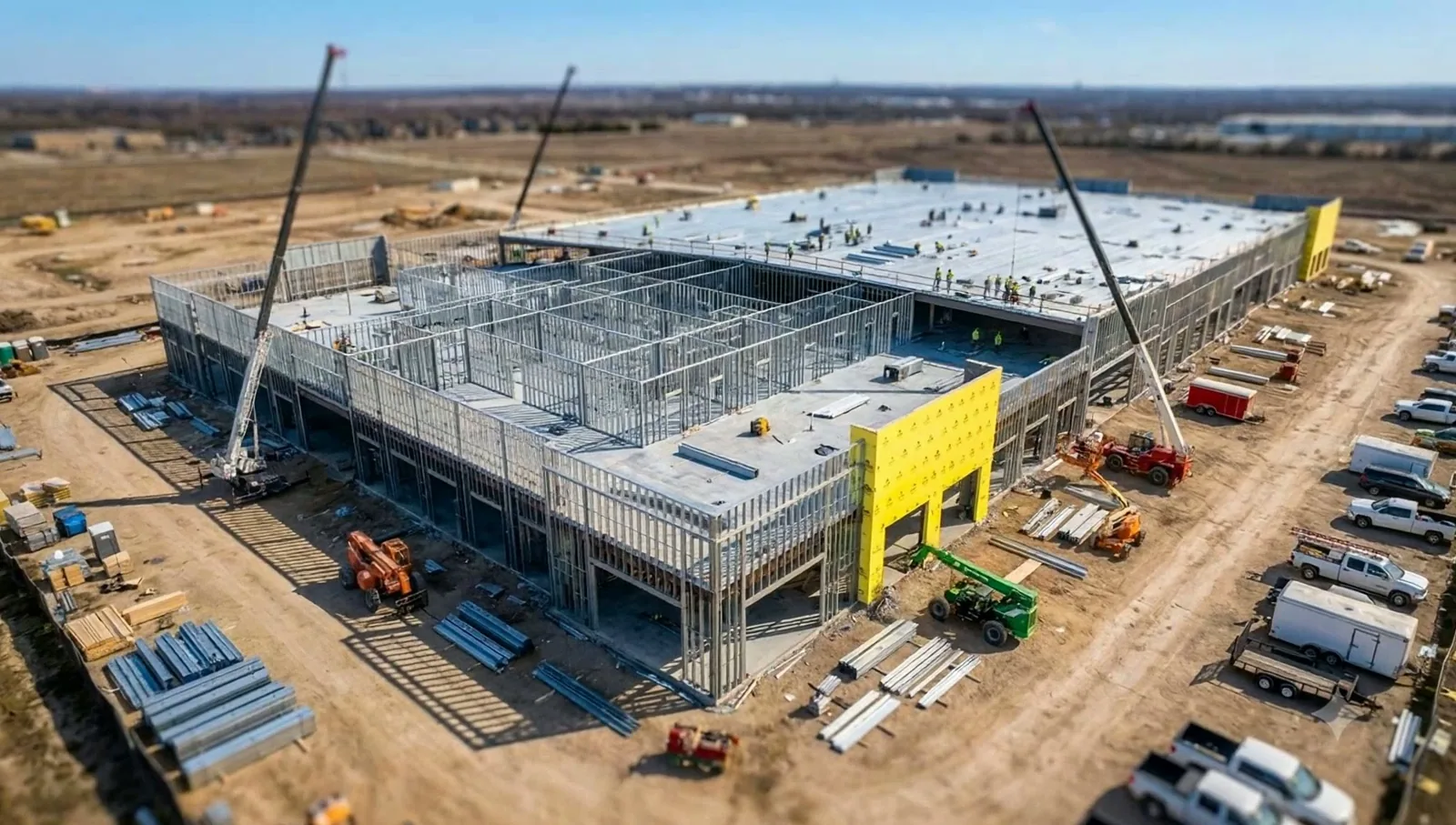
Commercial Roofing for General Contractors in Rio Rancho, NM
A curb set above finished interior work can turn a small coordination miss into a wet ceiling. We review the roof detail, penetration, substrate, and project sequence before assigning the roofing scope. The work plan identifies who controls the equipment, when the roof can be opened, and how each exposed area will be made weather-tight. Rio Rancho’s heat and brief monsoon downpours influence access and dry-in, while a general contractor must align roofing with the trades, inspections, and occupancy conditions below.
Define the roofing trade boundary
Before mobilization, we confirm the drawings, existing roof conditions, substrate readiness, equipment schedule, access path, crane or hoisting plan, and person authorized to accept a scope change. The roofing proposal should identify its tie-in to sheet metal, mechanical curbs, conduits, parapets, and penetrations. If another trade moves or installs equipment, the roofing handoff needs a sequence and responsibility point. A replacement scope defines removal, insulation, membrane, edge details, dry-in, and closeout so allowances do not conceal a missing interface.
Rio Rancho’s City Center plan includes commercial and employment uses connected by Paseo del Volcan, Unser Boulevard, and King Boulevard. Industrial employment is also associated with the area near Northern Boulevard and NM 528. Those routes describe the local project context, but the actual site conditions come from approved plans and field inspection. A local industrial-area job still needs building-specific access, logistics, and sequence confirmation before a crew sets material on the roof.
Check existing work before tying in
On a reroof or addition, we inspect the existing membrane, attachment, edge, drains, and transition that receive new work. A tie-in can fail if the old material is wet, contaminated, loose, or incompatible with the new system. We mark what can be verified and flag any section that requires testing before it is covered. The preconstruction roof walk records the conditions visible at the time and the questions that should be resolved before the schedule depends on them.
For a new curb or penetration, the mechanical trade must provide the final location, height, and support before flashing is cut. We confirm the curb is stable and large enough for the intended detail. If equipment arrives late or shifts after the roof is closed, the change needs a roof-side inspection and documented repair. A penetration flashing scope can make those interface steps explicit, including who removes temporary protection and who signs off on completed flashing.
Protect the open roof at every shift
Construction sequencing may leave a roof area open while insulation, deck, or equipment work continues. We establish a daily removal limit and identify the dry-in material, fastening, and edge closure needed if weather interrupts work. A forecast can change, but the crew still needs an authorized protection plan before removal begins. Rio Rancho has seen short monsoon bursts near Enchanted Hills that delivered more than two inches in about an hour. That local weather history supports close attention to drainage and end-of-day protection, not an assumption that any project has already been storm-damaged.
When other trades need access through a completed roof zone, protect walk paths and define who is responsible for restoring disturbed details. The construction manager should know which penetrations are complete, which are temporary, and which remain under the roofing contractor’s scope. A phased construction sequence separates active work from areas handed back to the owner. If public or tenant operations begin before all roof areas are finished, that boundary also needs a named contact and an agreed inspection before turnover.