
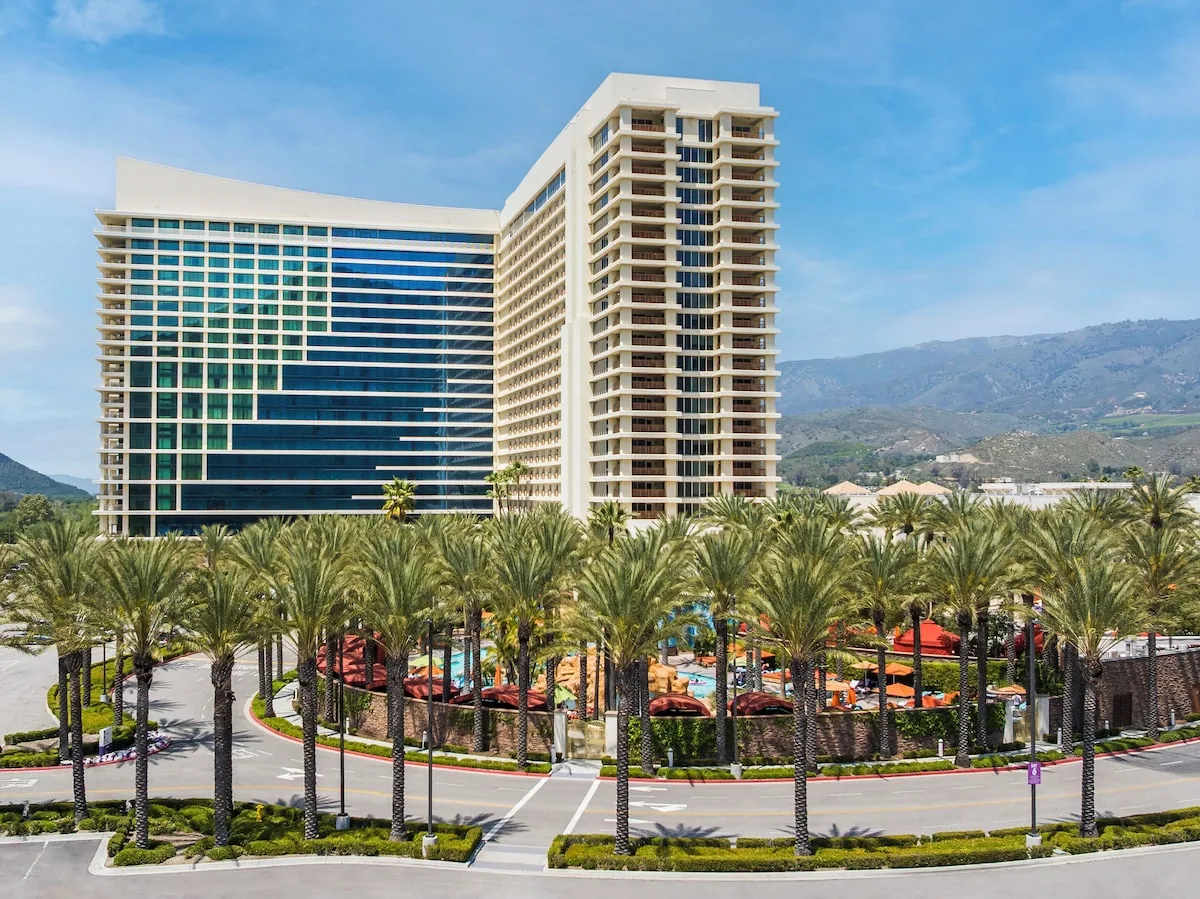
Commercial Roofing for Hospitality Groups in Rio Rancho, NM
An offset curb flashing can direct water toward a guest corridor even when the first ceiling mark appears elsewhere. We trace the reported water path, inspect the roof detail, and coordinate access around occupied rooms and event schedules before setting a repair boundary. Rio Rancho’s summer heat and brief monsoon bursts affect roof access and drainage checks; a hotel or event property adds quiet hours, kitchen operations, and guest movement to the sequence. The inspection record shows the zones reached and what remains to be verified.
Set a quiet, controlled access window
Before a roof visit, we confirm the service entrance, escort, roof hatch, staging point, noise limits, and contact who can approve a test opening. Guest room turnover, food service, events, laundry, and rooftop equipment may create separate timing constraints. We identify which rooms or spaces are below the work zone and whether interior verification is allowed. The phased work sequence sets a daily limit and a weather-tight closeout before the next guest or event period begins.
Rio Rancho City Center planning includes entertainment and commercial uses alongside employment, education, and housing, and the regional event arena is among the area’s existing developments. That district context makes event schedules relevant for nearby operators, but it does not tell us the roof system or access plan at a specific property. We confirm the actual site contact and work window. A City Center property visit stays tied to its own building, roof map, and guest-facing operating requirements.
Trace water around guest and service zones
A damp guest-room ceiling may sit several feet from the roof entry point. We compare its location with roof slope, field seams, drain bowls, equipment curbs, exhausts, and prior patches before assigning a cause. The record distinguishes an open flashing from a stain that has not been traced. If moisture below the membrane could change the removal boundary, we propose a small test and coordinate its location with the facilities contact. A roof condition visit documents what was checked and what the crew could not reach.
During one July 2018 burst, gauges near Enchanted Hills recorded rainfall above two inches within an hour. A brief storm can challenge an outlet or overflow, but an event at one location does not establish a defect at a hotel elsewhere. We inspect each drain bowl, strainer, scupper, and surrounding membrane on the property. If water remains after accessible outlets are clear, a drainage assessment helps determine whether the next step is debris removal, testing, or a roof-plane correction.
Coordinate roof details with hotel systems
Kitchen exhaust, cooling equipment, laundry vents, plumbing stacks, signs, and lighting all create roof interfaces. We identify which system is active, who controls it, and whether a shutdown is required before the flashing is opened. At a curb, the repair must reconnect to the installed membrane and preserve its termination; adding surface sealant without preparing sound material can leave the same path open. A detail repair scope identifies materials, preparation, work zone, and the inspection needed at closeout.
Strong summer temperatures affect safe roof access and may constrain some application conditions. We set staging and exposed-area limits to match the forecast, manufacturer requirements, and the property’s operating window. If a system requires a dry surface, the team confirms that condition before installation. For a larger property group, a portfolio capital review can compare confirmed needs while retaining each hotel’s equipment and access notes.