
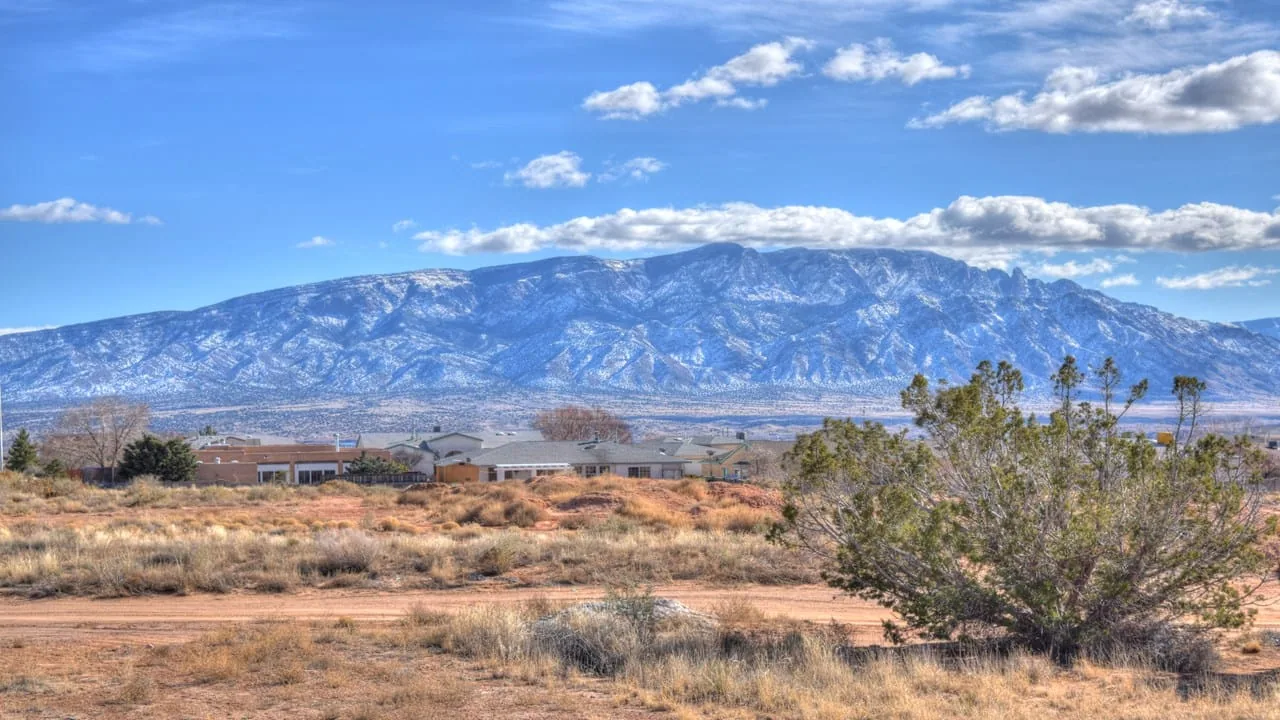
Commercial Roofing in Enchanted Hills, Rio Rancho, NM

A seam at a roof edge can pull open after heat cycling and give runoff a path beneath the membrane. Enchanted Hills is a roughly 2,000-acre master-planned community in northern Rio Rancho. Its eastern portion includes a 210-acre commerce-center plan near NM 528 and NM 44, while US 550, NM 44, and NM 528 shape regional access toward Interstate 25 and Bernalillo. Those plans identify a broad service area, not the roof of any specific building. We verify the property, assembly, access, and reported failure before pricing a repair.

Plan staging around the real access route

Regional roads help locate the area, but the work route begins with the owner's instructions for the property. We confirm where a truck can stop, how a lift reaches the roof, whether deliveries share an entrance, and which pedestrian or loading paths must stay open. The contact also identifies roof access, occupied rooms, and any hours when noise would interrupt operations. The occupied-site plan places material staging, debris handling, dry-in, and protection below into a sequence before a roof opening is made.

The commerce-center plan is part of the wider Enchanted Hills community; it does not confirm present tenants, roof systems, or building completion. If a facility lies near the NM 528/NM 44 junction or along another local access route, we still use the property's approved entrance and safety plan. Nearby The Village at Rio Rancho and Corrales retain separate access records. A roof map, not a planning boundary, determines the zone where the crew will work.

Find the point where water crossed the assembly

A leak can enter at a seam, curb, pipe, wall transition, skylight, or drain and move before it becomes visible inside. We compare the reported room with the roof plan and trace the likely route across adjoining details. A probe checks an open lap; moisture readings may reveal whether insulation is involved. If hidden layers affect the repair, a controlled opening can confirm what is beneath the membrane. The inspection records which details were seen, tested, or inaccessible.

We confirm the roof product and construction before selecting a patch. Heat-welded sheet, adhered membrane, asphaltic layers, and metal panels require different tie-ins and preparation. An older recover can leave layers that change how a repair ties in. We check lap condition, edge metal, attachment, and previous repairs around the tested area. A verified EPDM system needs a compatible repair detail only when records and field evidence show that EPDM is present.

Check edges and drainage after summer storms

Rio Rancho experiences strong sun and heat, seasonal hail, and monsoon rainfall. Normal rainfall measured at Albuquerque airport is highest in July and August; localized storms around Rio Rancho have brought intense short bursts. Heat affects surface conditions and repair timing, while fast runoff tests the drain bowls, scuppers, overflow openings, and wall transitions. We inspect the specific property and record whether water crossed a detail or only left a surface mark. A hail damage check looks for a cut, puncture, or open lap, not just discoloration.

Before a wet-weather period, a maintenance visit can check whether each outlet is open and whether the overflow path remains clear. If an outlet is blocked, we document the debris and surrounding membrane. If it is clear but water still remains, we measure the low area and evaluate slope and insulation before deciding on a correction. The drain inspection includes bowls, scuppers, flanges, and adjacent seams. A later visit can compare photos from the same roof zone after another storm and show whether the condition changed.

Keep the repair boundary tied to tested material

A bounded split on dry, attached membrane can often be handled locally. Wet insulation, loose fasteners, recurring leaks, or several failed transitions can change the scale. We mark the affected roof zones, test suspect layers, and identify the point where new material can tie into sound assembly. A repair estimate lists the preparation and permanent detail separately from temporary weather protection. A test should cover the surface that will receive the repair, not a cleaner or easier spot elsewhere on the roof. We photograph the lap and the substrate before work, then document the finished tie-in and any test result. If materials must cross a shared access lane, that sequence belongs in the estimate because it affects labor, staging, and the time the area stays isolated.

A coating is suitable only when adhesion, moisture, surface preparation, details, and drainage pass review. It cannot fix a split seam or an insulation layer holding water. Replacement may involve tear-off, substrate repair, insulation, edge metal, lift access, disposal, and a plan to keep the building dry during the work. We note which conditions support each option and what would have to be verified before a larger scope. The owner can see which work protects the building now and which extends roof service life. We record that distinction in the estimate. That makes the comparison practical: the tested boundary, tie-ins, and schedule constraints remain visible next to the proposed work.

Record tests, access limits, and permanent work

The closeout identifies the system confirmed, repair material, restored seam or flashing, test result, photographs, roof-zone label, and any area that could not be inspected. Temporary stabilization is recorded separately. If owner-supplied project requirements or warranty terms apply, we review them before changing a protected detail. A condition report keeps those observations available for maintenance and capital planning.

For a property in Enchanted Hills, the record should name the entrance used, the access contact, and any staging limit that affected the scope. We note whether equipment blocked a roof area or an occupied room constrained an inspection. This gives the next crew a useful starting point without treating the full planned commerce center as a single building. If future work adds a curb or changes a drain, the owner can record the date and zone so the next inspection distinguishes the new opening from earlier repairs.

To arrange service, provide the building location, roof concern, available plan or system records, access contact, and preferred inspection window. We confirm lift or ladder needs and protection below before mobilizing. If water is entering during a night or holiday, we can send a crew to limit exposure and cover an unsafe opening. Permanent work follows once the assembly and substrate have been checked.

Common Questions About Enchanted Hills

Does the commerce-center plan describe a finished set of commercial roofs?

No. It identifies a planned area in the eastern part of Enchanted Hills. We confirm the present property, installed assembly, and roof condition directly before recommending repair or replacement.

How do you check a roof after hail or a fast monsoon storm?

We inspect the reported roof zone, seams, penetrations, edges, drains, and overflows. The field record separates surface marks from a confirmed breach and notes whether water reached insulation or interior space.

Can a repair be done while a business remains open?

We coordinate access, deliveries, noise, staging, and protection with the site contact. The plan isolates the active roof zone and keeps dry-in ready so occupants can use areas outside the work boundary.

What if a leak appears away from the roof defect?

We trace from the interior location across the likely roof path, checking curbs, wall transitions, laps, and drains. Moisture testing or a controlled opening can verify hidden layers when they affect the repair size.

When should an owner price restoration or replacement?

Repeat failures, wet insulation, broad attachment loss, or multiple leaking transitions can support a larger comparison. We document tested zones, removal and insulation needs, tie-ins, and access costs before pricing alternatives.

Schedule a commercial roof inspection in Enchanted Hills

Send the property location, roof issue, available records, access contact, and work window. We will verify the roof system and document the tested area.