
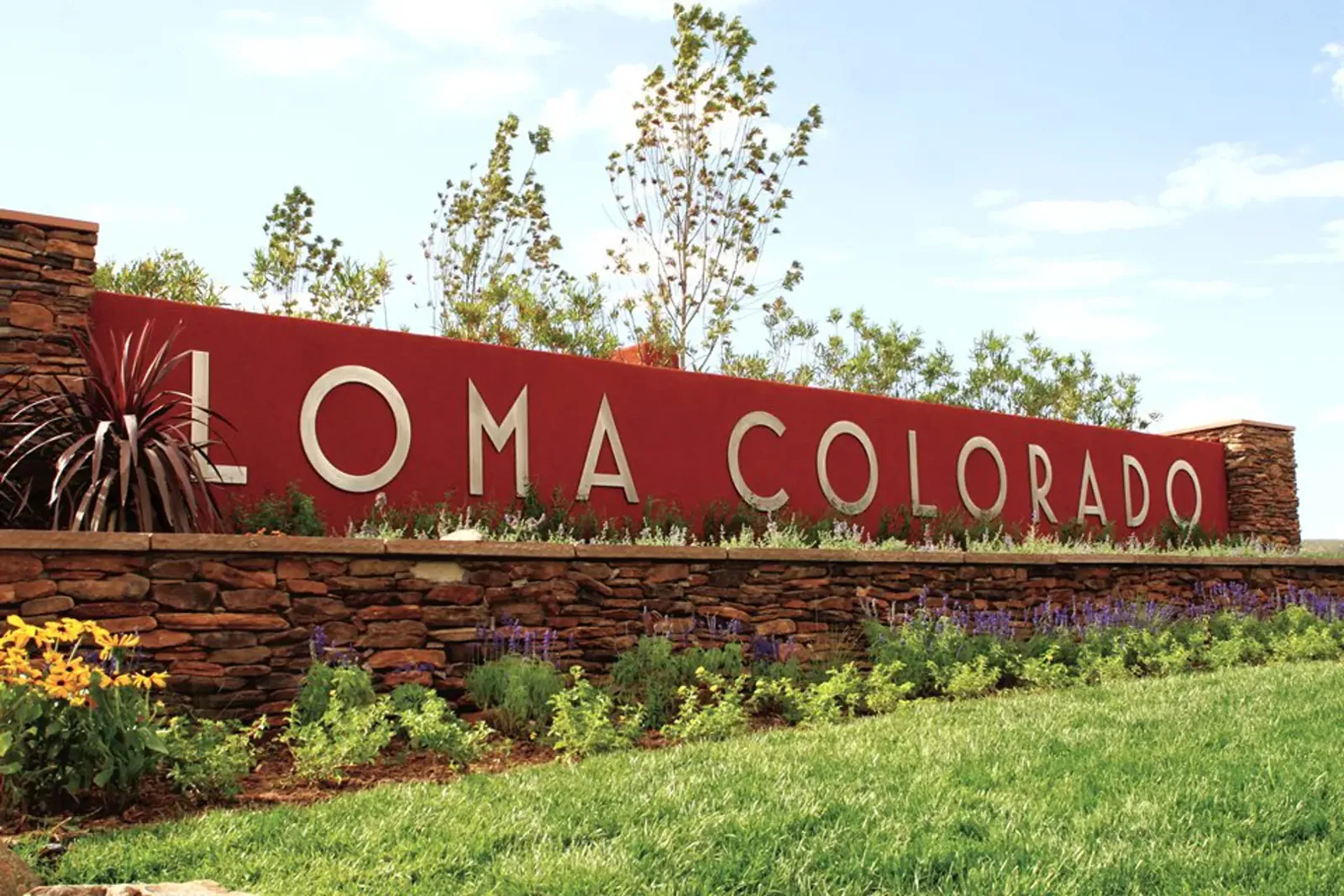
Commercial Roofing in Loma Colorado East, Rio Rancho, NM

A curb with a failed base flashing can send water beneath a roof membrane and widen a repair into the surrounding zone. Loma Colorado East is included in Rio Rancho's Del Norte planning area, a 461-acre tract north of Northern Boulevard that also includes portions of High Range. The nearby Loma Colorado redevelopment area is planned as a mixed-use node with commercial, office, industrial, and high-density residential uses alongside housing and public amenities. Plans locate the broader area; a field inspection establishes the building, assembly, and repair boundary.

Trace a reported leak through adjoining zones

Water may travel below the surface before it appears indoors. Starting at the interior report, we map likely travel toward seams, rooftop units, wall junctions, perimeter metal, and the nearest outlet. A probe tests an open seam; moisture readings can identify whether insulation is involved. If hidden material changes the repair size, we may need a controlled opening to confirm it. The roof inspection records visible observations, test results, and access limitations separately.

A land-use designation does not identify the installed roof. We check records and field evidence, including membrane seams, attachment, edge metal, prior patches, and substrate, before ordering repair material. A recover can leave several layers or a different transition at one roof zone. If the roof is confirmed as modified bitumen, we match preparation and tie-in to that assembly. We note the actual material and the area where it remains bonded so a patch does not bridge an unresolved failure.

Use planning context without guessing at the property

Loma Colorado East lies within the Del Norte planning area, next to the mixed-use Loma Colorado redevelopment area. Those designations locate the service area but do not establish current construction, roof type, or the condition of a tenant space. We work from the owner-provided location and roof records. At the property, we confirm the safe entry, equipment access, occupied rooms, and whether other trades changed the rooftop equipment or penetrations.

Northern Boulevard is a boundary reference for the larger Del Norte area. A service visit still follows the property's own gate, loading route, roof hatch, and operations schedule. Nearby Del Norte Corridor and Lomas Negras have separate site histories and work records. If a manager oversees more than one property, we label each roof plan by address and zone rather than carrying a repair assumption from one site to another. That keeps later budgets tied to the correct assembly and defect.

Check outlets and seams for seasonal stress

Rio Rancho has strong sun and summer heat, seasonal hail, and monsoon rainfall. July and August are the wettest normal months at Albuquerque airport, and localized storms near Rio Rancho have produced brief, intense downpours. A fast runoff event tests whether drains, scuppers, and overflows remain open; heat can affect the surface during repair. Hail impact needs direct examination for a puncture, cut, or open lap. The hail assessment documents confirmed damage separately from surface marks.

We inspect the bowl, flange, overflow path, nearby seams, and the low area that feeds the outlet. If debris is removed but water remains, we measure the area and evaluate slope and insulation rather than applying a patch over the symptom. A drain inspection can establish whether an obstruction or an open membrane detail is involved. The same roof-zone photos can be compared after a later storm, allowing the owner to see if water extent or seam condition changed.

Set a safe work route and schedule

Roof access and occupancy affect how the work is staged. We confirm who can open the property, which hatch or ladder is approved, where material can be loaded, and what interior areas need protection. If work passes above an active office, clinic, or commercial operation, we coordinate noise, debris, and temporary dry-in with the facility contact. The occupied-building plan identifies those tasks before a roof opening is made and keeps a clear route for occupants outside the work zone.

When mechanical or electrical work is planned, we inspect nearby curbs and supports and establish who is responsible for disconnecting or moving equipment. We do not assume a roof is clear based on a land-use map. The actual equipment, conduit, and service clearances are recorded by zone. If access is restricted by a tenant schedule or delivery activity, the crew can separate inspection from permanent repair and return when a suitable work window is available. That choice is documented in the schedule so temporary control is not confused with completed work.

Choose work from the tested boundary

A small seam failure can be isolated when neighboring layers remain dry and secured. Multiple wet zones, shifting fasteners, or repeated entry may call for an evaluation of larger work. We measure the affected zones and identify the tie-in to sound material. A repair estimate lists preparation, materials, testing, and any condition that would enlarge the work area.

Coating requires suitable adhesion, dry substrate, prepared details, and functioning drainage. It cannot correct wet insulation or a loose seam. Replacement may involve removal, deck review, insulation, edge metal, disposal, lift placement, and weather protection. We separate those scope items from the immediate leak response, then show the owner what remains untested. A larger proposal should be based on those measurements and records, not on assumptions about the redevelopment plan or on one stain below the roof.

Keep inspection evidence with the right building

The closeout records the confirmed roof system, repaired zone, material installed, seam or flashing restored, test result, photographs, and any access limit. Temporary leak control is identified separately from permanent repair. If specifications or warranty terms apply, we check them before changing a protected detail. A condition report keeps the marked roof plan available for maintenance and capital planning.

Loma Colorado East and the Del Norte planning area provide geographic context, while the property record should preserve the specific roof findings. We note which outlet was checked, where the leak was traced, and which room below needed protection. If a later contractor adds a unit or alters a curb, its location and date can be added to the same plan. That makes the next inspection faster to target and reduces the chance that a prior repair is mistaken for a new opening.

To book an inspection, send the property location, reported concern, roof plan or system records, access contact, and a workable inspection window. We confirm staging and protection requirements before arrival. Emergency response is available after hours, on weekends, and holidays. We stabilize exposed areas, verify the membrane and substrate, and close out permanent repairs with a tested boundary.

Common Questions About Loma Colorado East

Does the redevelopment plan show what roof is on a property today?

No. The plan identifies a mixed-use area and planning boundaries, not present construction or roof conditions. We confirm the property, installed system, and defect through records and field inspection.

How do you tell whether a drain or roof slope is causing ponding?

We inspect the outlet, flange, overflow, roof plane, seams, and nearby insulation. If clearing the drain does not resolve the low area, measurements and moisture checks help identify whether slope or hidden material changes the correction.

Can repairs be coordinated with other rooftop trades?

Before another trade arrives, we identify equipment, supports, curbs, and conduit and set a sequence. The facility contact coordinates any disconnect or relocation; we record which roofing details are included and protect the work area during the trade's activity.

What do you check after hail in Rio Rancho?

After hail, we inspect the reported zone for cuts, punctures, opened seams, and displaced edge details. Surface impressions are recorded separately from confirmed damage, and the report notes whether water reached the substrate or interior.

When should a manager compare a repair with replacement?

Several recurring failures, saturated insulation, loose attachment, or deterioration across zones can change the decision. We document measurements, removal needs, insulation, tie-ins, access, and dry-in so alternatives share a defined scope.

Schedule a Loma Colorado East roof inspection

Share the property location, roof concern, available plans or records, access contact, and inspection window. We will verify the system and document the tested repair boundary.