
Commercial Roofing in Placitas, NM

Parapet metal pulled clear of the membrane can channel runoff behind the edge before a stain appears inside. In Placitas, commercial roof work begins with the property and access the owner identifies, then the inspection establishes the system, the leak path, and the repair boundary. The community is an unincorporated part of Sandoval County, east of the Rio Grande Valley in the county's southeast corner. Its setting near the Sandia foothills makes a roof visit a hands-on job: we check the actual edge, field seam, curb, drain, and substrate instead of inferring building conditions from the surrounding terrain.

Trace the entry point before opening the roof

A leak may run laterally through the roof build-up and surface well away from its entry point. We start at the reported interior area, compare it with the roof plan, then inspect nearby laps, penetrations, wall transitions, and drains. A probe can test a suspect seam; moisture readings help determine whether a controlled opening is needed to confirm the substrate. The roof inspection separates visible marks from tested findings and records where access or weather limited the work.

Placitas is a community name, not a description of one roof assembly. We check project records and field details to identify TPO, PVC, EPDM, modified bitumen, built-up roofing, or metal before selecting compatible material. A verified EPDM repair starts with the membrane and seam condition at the site. We also look for patches that bridge a moving joint, loose termination metal, or a curb with separated flashing. The repair scope stays within material that proves stable under inspection.

Account for sun, hail, and short rain bursts

Rio Rancho's regional climate brings strong sun, summer heat, seasonal hail, and monsoon rainfall. Surface temperature can affect repair timing and test results, while hail marks need a close look to determine whether the membrane is cut, punctured, or simply marked. The Albuquerque airport's normal rainfall is concentrated in July and August; localized storms around Rio Rancho have produced intense short-duration rain. Those conditions make outlet capacity and open overflows worth checking before storm season. We document what the Placitas roof itself shows.

At the reported zone, we inspect drain bowls, scuppers, overflow openings, field seams, and the route water takes across the roof plane. A drain and scupper inspection can find debris or a blocked outlet. If water remains after the outlet is clear, we measure the low area and check insulation rather than treating standing water as proof of a single cause. A hail-damage assessment records any confirmed breach separately from cosmetic impact, so a repair estimate addresses the condition that changes the roof's performance.

Set the access window and protection below

A repair plan has to fit the building's operation as well as the roof detail. Before mobilization, we confirm the access contact, hatch or ladder, staging space, lifting needs, occupied rooms, and hours when noise or odors would disrupt work. If the owner has equipment routes, fire lanes, or a tenant schedule to protect, those constraints belong in the sequence. The occupied-building work plan lists protection, debris movement, temporary dry-in, and the order of roof zones before a cut is made.

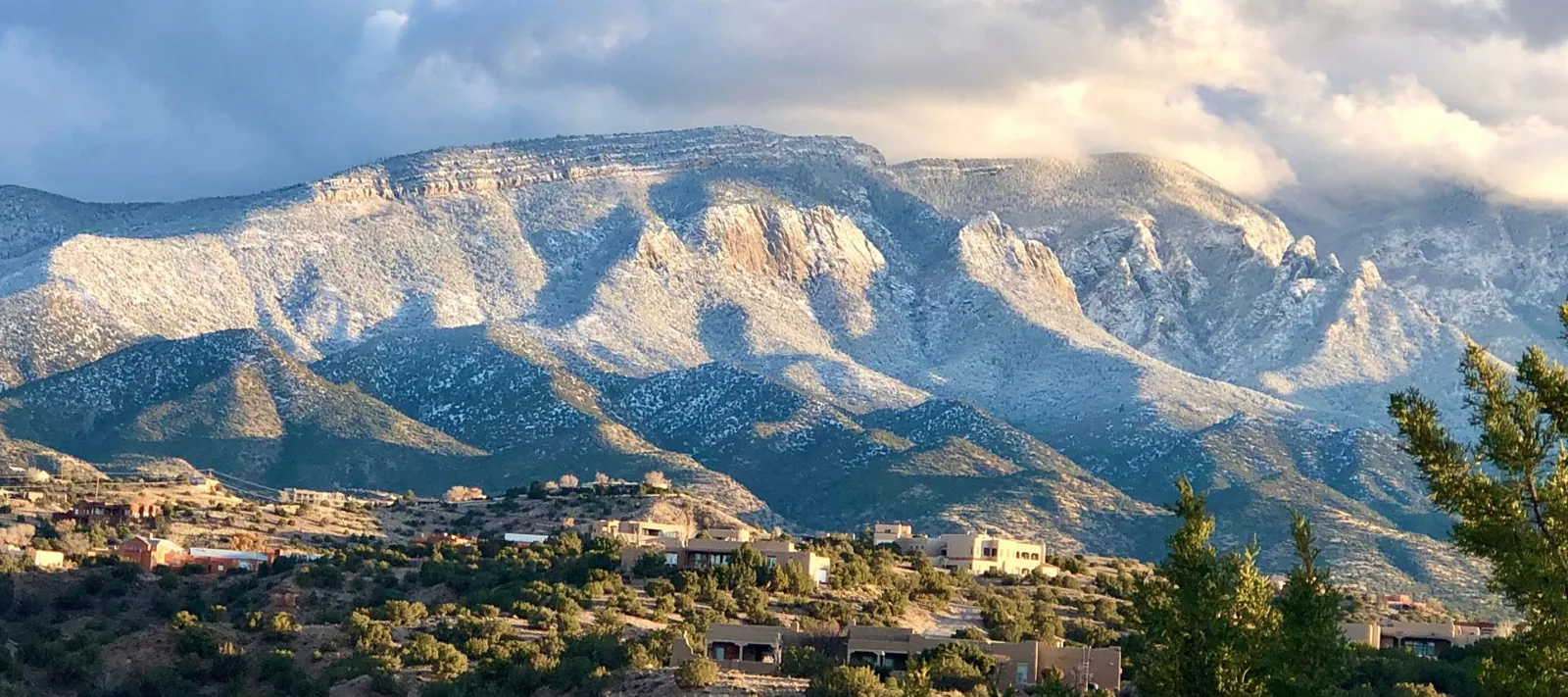
The Sandia foothills and nearby national-forest and wilderness areas describe Placitas' broader setting, but they do not tell us how a specific property is built or accessed. We use the site contact's directions and the approved roof plan. If the owner manages property in adjacent Bernalillo or the Corrales community, we keep its roof records, access notes, and work limits separate. Each site gets a route based on its actual entrance, surface conditions, equipment, and people below.

Compare a bounded repair with broader work

A single open lap over dry, stable insulation may call for a local repair. A leak on sound membrane stays localized; wet substrate, loosened attachment, or failures separated across the roof call for wider testing before a capital choice. We measure the affected area, test suspect materials, inspect penetrations and terminations, and mark what remains outside the repair boundary. A commercial repair scope names the preparation, compatible materials, tie-in, and field test so the owner can compare it with a larger project.

Coating is an option only when the existing surface is suitable, dry, well attached, and prepared, with drains and details corrected first. It cannot restore wet insulation or reconnect a failed seam by covering it. Replacement may require removal, new insulation, tapered work, edge metal, disposal, and a temporary weather plan. We put those factors next to the tested area and the access window. The owner can then compare immediate repair with restoration or replacement using the same known boundaries rather than a roof-wide assumption.

Keep findings useful after the crew leaves

The closeout record identifies the confirmed system, roof zone, repair material, seam or flashing restored, test result, photographs, and any unresolved limitation. Temporary leak control is separate from permanent work. Before altering a protected detail, we compare the owner's project requirements with the proposed repair. The field report keeps photographs, marked zones, and test limits together for the next maintenance decision.

For a property in Placitas, useful records make the next visit more precise. We note which drain or curb was checked, whether water was present, what surface temperature or weather affected a test, and which interior location matched the roof zone. If another trade later adds a pipe, support, or curb, the owner can attach that change to the same roof map. The record helps distinguish a new penetration from a repaired detail and keeps the next inspection focused on actual changes rather than repeated guesswork.

To arrange a visit, send the property location, reported concern, roof plan or available system records, access contact, and a workable inspection window. We confirm where equipment can be staged, which rooms need protection, and whether a lift or interior access is needed. Emergency response is available through nights, weekends, and holidays. We stabilize exposed areas first, then verify the roof layers and complete permanent work when the surface and weather support a sound repair.

Common Questions About Placitas

What do you need to inspect a commercial roof in Placitas?

A building location, access contact, roof plan if available, leak or damage description, and safe inspection window let us start with the right zone. We confirm the membrane, seams, penetrations, drainage, and substrate in the field before setting a repair boundary.

Can hail marks be repaired without replacing a roof?

A mark alone does not establish a breach. We check for cuts, punctures, open laps, or displaced edge details, then test the substrate where needed. A bounded repair is appropriate when surrounding material remains stable; broader damage changes the scope.

How do you handle a leak that appears far from the roof opening?

We compare the interior stain with roof transitions and follow the likely water path through seams, curbs, walls, and low areas. A probe or moisture test can narrow the area; a controlled opening confirms the layers when they affect the repair.

Can work be scheduled around an occupied facility?

We agree on staging, roof access, noisy tasks, protection below, and dry-in with the site contact. The work sequence can keep a section isolated while occupants continue using areas outside the established safety zone.

When should an owner compare repair and replacement?

Repeated failures, wet insulation, loose attachment, or deterioration across multiple zones can justify a larger comparison. We document measurements, tested conditions, removal needs, tie-ins, and access costs so the options share a clear scope.

Schedule a Placitas commercial roof inspection

Share the property location, roof concern, available records, access contact, and inspection window. We will verify the assembly, trace the reported condition, and document the repair boundary.