
Johns Manville Commercial Roofing in Rio Rancho, NM

A reinforced sheet has a specific repair boundary where the field, seam, and flashing meet. For a Johns Manville roof in Rio Rancho, NM, we first identify whether the assembly is TPO, EPDM, PVC, modified bitumen, built-up roofing, or a coating system. The visible surface alone may not answer that question. We compare project records with the installed sheet, attachment, and details, then test the area that will receive repair. The closeout record ties each material decision to a roof zone instead of relying on a product name from an old invoice.

Identify the installed system

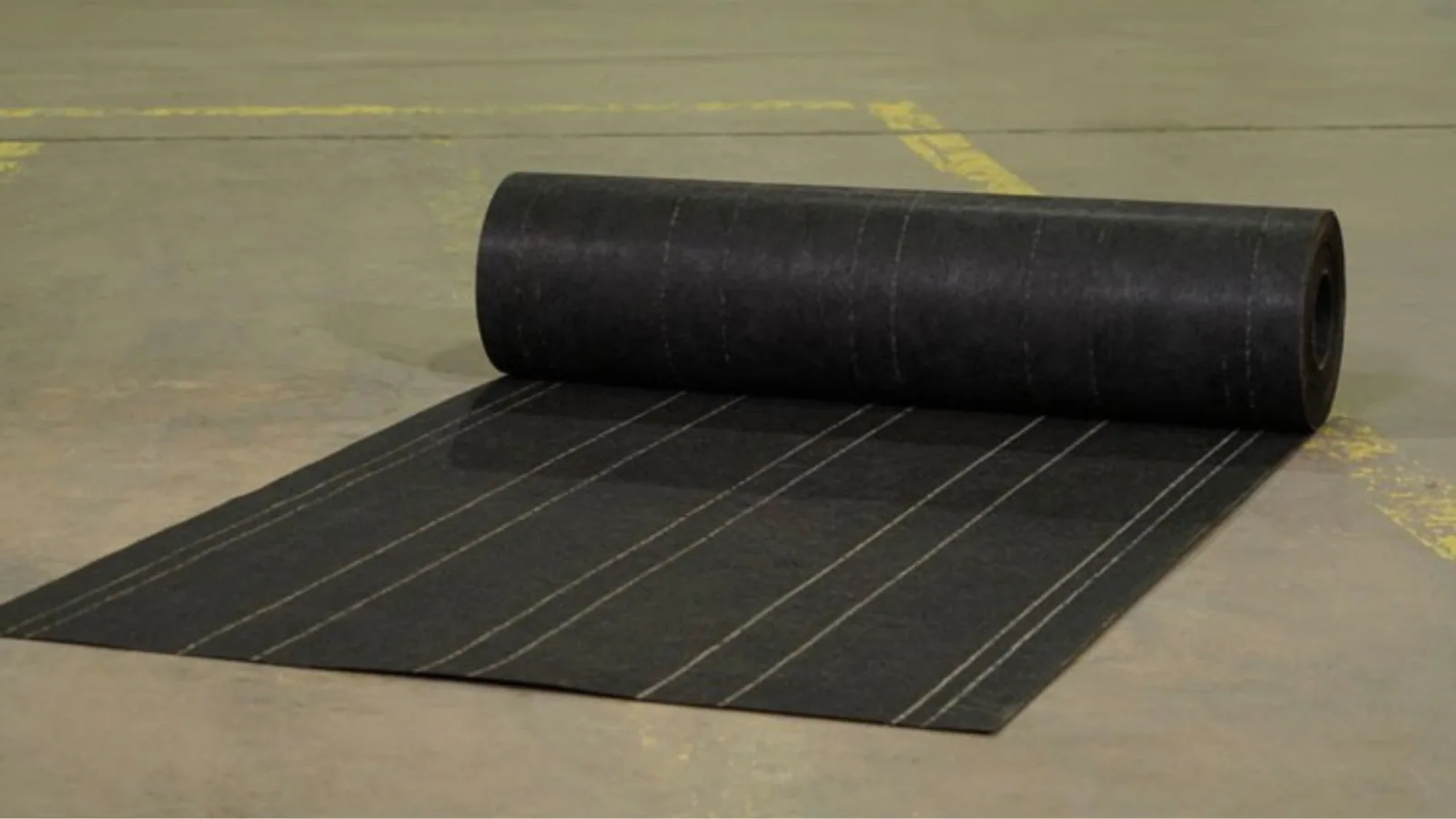
Johns Manville supplies several commercial roof system families, and their repair methods are not interchangeable. Its TPO systems use reinforced membrane; the reinforced TPO sheet includes a polyester fabric reinforcement. Coatings also have substrate-specific use: an acrylic or silicone product must be matched to the existing surface and preparation requirements. We inspect labels, membrane texture, seam geometry, flashing, and edge terminations, then compare those observations with available closeout documents. Where the record and field do not agree, the report names the uncertainty and the test needed to resolve it.

A building near Northern Boulevard or the NM 528 industrial area may have equipment penetrations, production access limits, and multiple roof zones. Those conditions affect how we stage an inspection, not which manufacturer product is present. We confirm the actual assembly at the roof. The inspection record can list membrane identification, attachment clues, and details that need a closer probe. If the roof plan is incomplete, we map verified zones before assigning repair material. A Rio Rancho Industrial Park visit is coordinated with the facility contact so roof access does not interrupt active work.

Check reinforcement and seam condition

A TPO field seam is heat welded, while an EPDM seam uses a different joining method. Modified bitumen and built-up assemblies have their own laps and surfacing. We verify the membrane family before cutting a patch or selecting a bonding product. On reinforced TPO, a small opening at a lap can expose the scrim or allow water to move beneath the sheet. We probe the suspect seam, inspect the edge of earlier patches, and check nearby penetrations before setting the repair boundary. The TPO assembly review gives the owner a useful comparison of common field details, while the installed system controls the actual work.

Rio Rancho's strong summer sun and occasional quarter-size hail create different inspection questions. Heat and ultraviolet exposure can change surface flexibility, while hail marks need to be separated from cuts, punctures, or open laps. We look for a breach rather than treating every mark as a failure. After a localized monsoon burst, the seam repair scope may include water-path tracing from the affected zone to a drain or wall transition. A closeout photo shows the tested lap and adjacent material, making later review more useful than a generic note that the roof was patched.

Match a coating to its substrate

A coating is a system choice, not a shortcut around roof evaluation. Johns Manville acrylic coatings are used on selected substrates such as built-up roofing, modified bitumen, and certain aged single-ply membranes; silicone products have a different substrate range. We identify the existing surface, check adhesion and moisture, and inspect seams, penetrations, and drainage before considering restoration. Loose surfacing, trapped moisture, incompatible residue, or a failing detail can change the scope. The owner receives a tested area and a written explanation of what a coating would cover, what it would not correct, and where removal or repair is still needed.

Summer temperatures in the Albuquerque region regularly reach 90°F, and July and August bring the strongest normal rainfall months. For a Rio Rancho roof, that combination makes surface preparation and drain performance part of the decision. A coating cannot correct a blocked outlet or replace failed insulation. At City Center and the Northern/Rainbow district, a property may have different roof use and access restrictions; we inspect the assembly in place instead of assuming a common condition from its district. The coating evaluation records the adhesion test, preparation needs, and repair work required before material is applied.

Trace water and define the repair

A ceiling stain is a report location, not a confirmed roof entry point. We trace the runoff path from the reported area toward seams, curbs, drain bowls, and edge transitions. If moisture testing is warranted, its method and limits go into the record; a scan does not replace an opening where the assembly must be verified. When wet insulation is found, we outline the removal boundary before closing the membrane. This keeps a Johns Manville repair tied to the layer that failed instead of covering a symptom and leaving saturated material below.

Rio Rancho has had localized monsoon rain exceeding two inches near Enchanted Hills in about an hour. That event makes overflow capacity and drain access sensible points to inspect after a storm, but the event does not establish damage at another property. We check the actual roof plane, primary outlet, overflow, and nearby seams. A drainage assessment can distinguish debris at a bowl from a low area that remains wet after the path is clear. If the building needs a broader membrane decision, a replacement comparison can use measured roof zones, confirmed moisture, and edge-height constraints.

Keep material and work records together

Useful closeout documentation identifies the product only where confirmed, the roof zone, repair material, preparation, seam or flashing restored, test performed, and any limitation left open. We photograph the starting condition and completed detail, then note whether the work addressed one failure or a larger area. A warranty document supplied by the owner may set additional requirements before an alteration; we review its terms rather than inferring coverage from a manufacturer name. The condition report can preserve these findings with a marked roof plan and a prioritized follow-up list.

At a multi-zone building near Southern Boulevard or City Center, the record also helps maintenance staff distinguish a prior repair from an untouched area. Future HVAC or electrical work can disturb a completed flashing, so the roof plan should show penetrations and the service date. We coordinate an access window with the facility director, protect occupied areas, and leave a clear account of the tested boundary. Owners comparing membrane options can review a Carlisle TPO assembly alongside a Holcim Elevate system, but selection still follows the building's structure, drainage, and existing layers.

Common Questions About Johns Manville Commercial Roofing

How can you tell which Johns Manville membrane is installed?

We compare project records with the sheet, seams, attachment, flashing, and visible labels at the roof. A prior invoice helps, but it does not confirm that every zone has the same assembly. If field evidence is incomplete, the report identifies what remains unknown and which test or record would resolve it.

Can Johns Manville TPO be repaired with a generic patch?

The repair material and method must suit the installed membrane and its condition. We prepare a test area, confirm the sheet, and verify a weld before extending the repair. Where a previous patch or weathering affects the surface, the boundary may need to move to sound material.

When is an acrylic or silicone coating worth evaluating?

Start with the substrate, adhesion, moisture, seam, and drainage checks. Johns Manville lists different substrate ranges for its coating products, so we confirm that the existing roof is appropriate and identify any repairs needed first. A coating scope will not stand in for wet-insulation removal or failed drainage correction.

What do you check after a Rio Rancho hail or monsoon event?

We inspect the reported roof zone, then check seams, penetrations, edge metal, drains, and any visible impact marks. A regional weather event does not show what happened to a specific roof. Photos and hands-on tests separate surface marks from an opening that needs repair.

Does the manufacturer name determine warranty coverage?

No. The owner-provided project and warranty documents determine applicable requirements. We document the installed material and proposed work, then identify any review or approval needed before a permanent alteration. The repair record does not promise a term or eligibility that the documents do not establish.

Verify the Johns Manville roof before repair

Send the building location, reported condition, roof records, access contact, and inspection window. We will identify the installed assembly, test the affected zone, and document the repair boundary.