
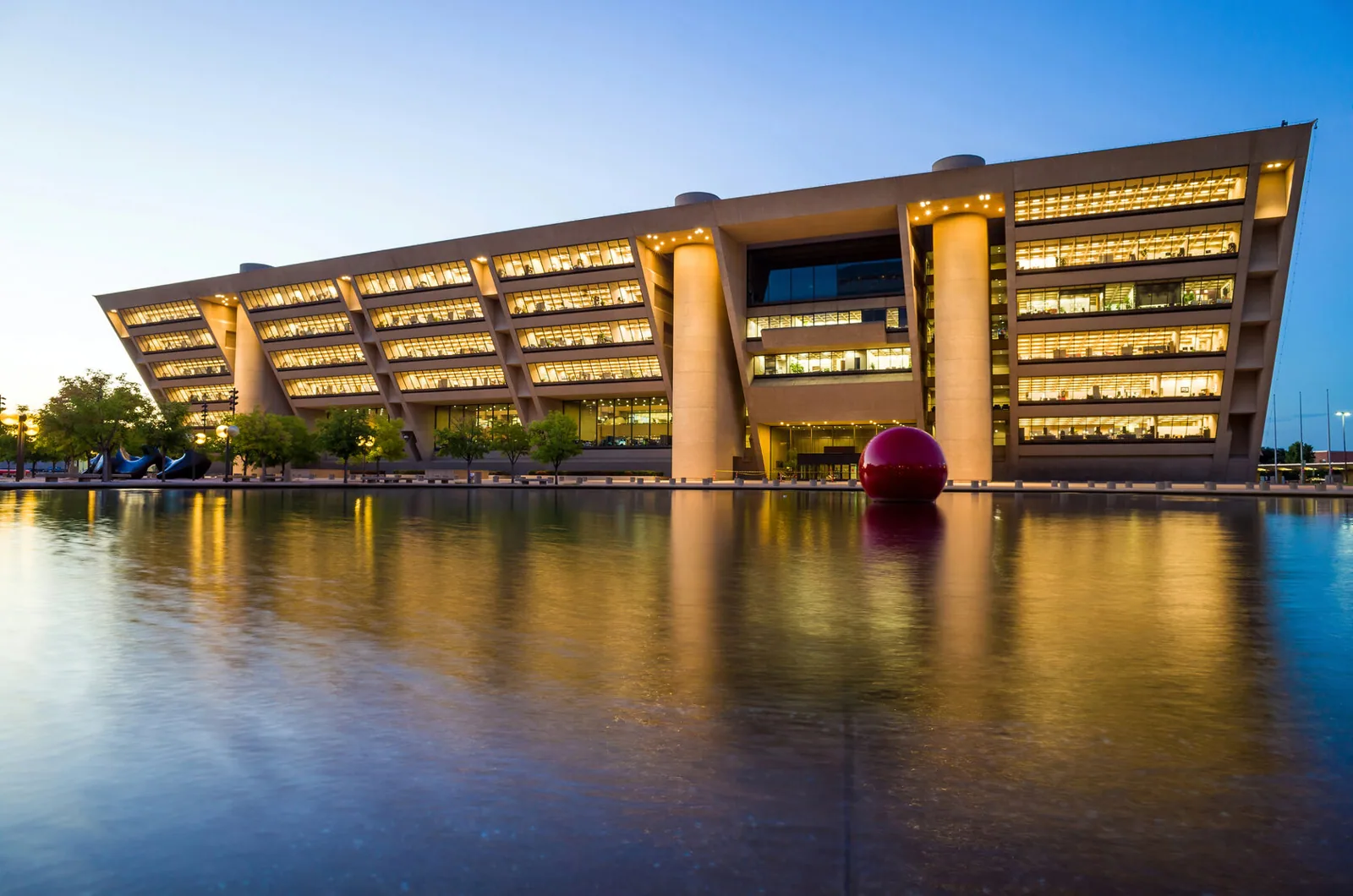
Government Building Roofing in Rio Rancho, NM
A drain bowl that sits below a public entrance can turn a small membrane defect into a service disruption. In Rio Rancho, NM, government buildings may combine public counters, offices, meeting rooms, equipment areas, and support functions with different access controls. We inspect the roof zone, trace runoff toward the nearest outlet, and identify which public or staff areas sit below the work. The City Center plan includes civic, commercial, education, entertainment, and residential uses, with City Hall among the named existing developments. That context does not establish a roof system at a particular facility; the field inspection does. We document the material, drainage path, access route, and tested repair boundary before setting a schedule that accounts for public hours and secure areas.
Map the public building by roof zone
Water at a lobby ceiling may enter through a curb, wall termination, skylight, or seam several feet uphill. We compare the interior report with roof slope, parapets, expansion joints, drains, equipment, and past repairs. The report labels each roof zone and distinguishes a visible opening from a suspected wet layer. If moisture could change the removal boundary, targeted readings or a controlled opening can confirm the extent. A commercial roof inspection records the areas reached, test locations, and access limits so the owner can approve work from a clear map.
A municipal campus may have separate buildings for public service, administration, equipment, and community use. City Center’s named inventory includes City Hall, a regional event arena, and a call center, while the plan’s main routes include Paseo del Volcan, Unser Boulevard, and King Boulevard. These facts help locate a broader civic area, but each structure gets its own roof map and inspection record. If one building has a newer addition or different drainage plane, we note that transition instead of applying findings across the property.
Preserve public access during repairs
Public hours, meeting schedules, emergency routes, deliveries, and security rules shape the work sequence. Before mobilization, the facility contact confirms roof access, sign-in requirements, lift or crane placement, public entrances, fire lanes, and rooms below the work area. We define barriers and notice points before material staging begins. An occupied-building work plan can divide a larger scope into roof zones, each with a weather-tight end-of-day condition and a clear handoff to building staff.
Some areas may require an escort or advance clearance from the facility, while public service counters need dependable access throughout the day. We coordinate mechanical shutdowns, alarms, communications equipment, and any vendor that must reach rooftop units. If a leak requires immediate protection, document the temporary measure and the permanent repair separately. A curb and equipment repair should identify the unit, flashing detail, service clearance, and person responsible for coordinating the equipment work. These steps keep the roof scope tied to the building's operating needs without confusing a temporary cover with completed repair.
Account for heat, hail, and runoff
Rio Rancho has experienced seasonal hail and short monsoon downpours. In July 2018, rain near Enchanted Hills exceeded two inches in about an hour; a separate northwest Rio Rancho event in August approached three inches per hour. A 2018 severe storm also brought quarter-size hail to the Rio Rancho area. These regional conditions make outlet capacity, exposed accessories, and dry-in planning useful inspection points. They do not replace a building-level check. We photograph actual seams, edge metal, drains, and impact marks, then identify what needs repair or testing.
NM 528 and Southern Boulevard are major commercial routes in the city, and Paseo del Volcan serves the planned City Center area. A public project may need a material-delivery path that avoids event traffic or citizen entrances. On the roof, we clear and inspect strainers, scuppers, overflow openings, and the membrane at the drain bowl. A drain and scupper service can address an obstructed outlet; a low area that persists after cleaning requires separate review. After hail, a hail-impact inspection records whether metal, membrane, or rooftop accessories have visible damage.