
Commercial Grocery Store Roofing in Rio Rancho, NM
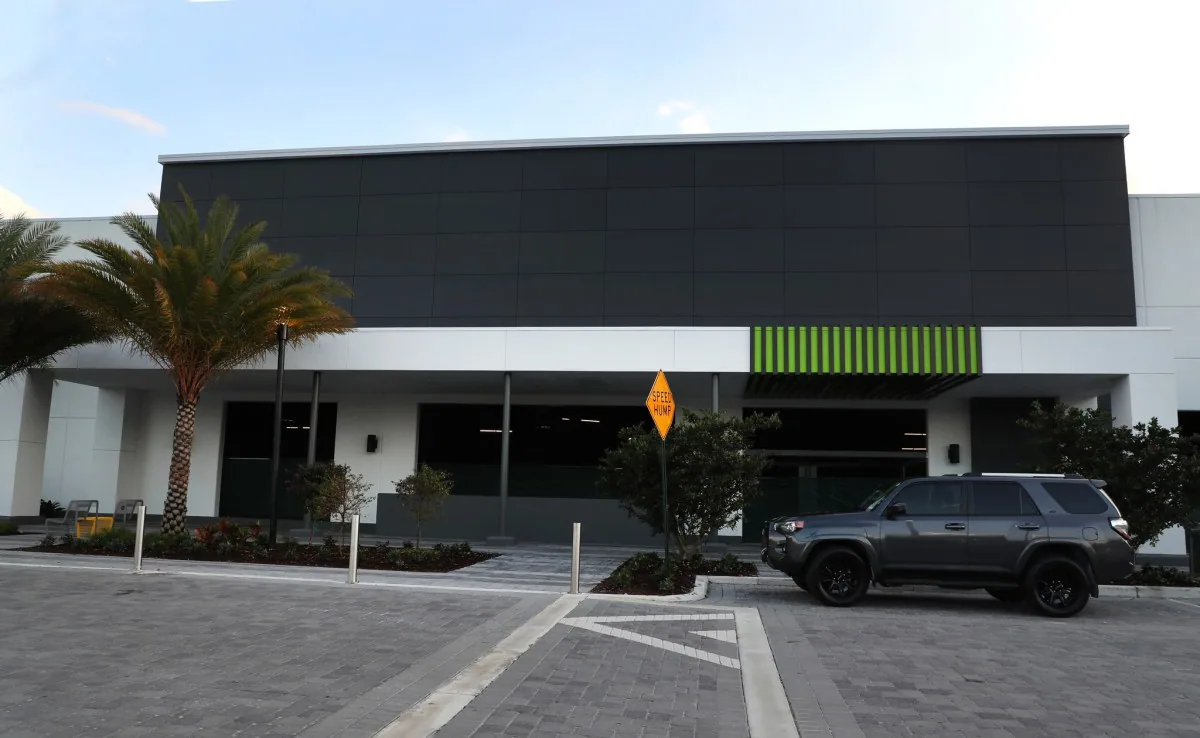
A drain basket packed with leaves can keep a grocery roof wet after a brief downpour, while the first ceiling mark appears over an aisle far away. Grocery buildings carry refrigeration lines, exhaust, rooftop units, loading areas, and public sales space under one assembly. In Rio Rancho, commercial strips have historically clustered along Southern Boulevard and NM 528, while Enchanted Hills Commerce Center sits at NM 528 and NM 44. These routes place grocery operations within a varied commercial area. We inspect each store's drainage path, penetrations, and membrane, and coordinate access with its facility contact before choosing a repair boundary. A commercial roof assessment at Enchanted Hills Commerce Center starts with the site contact and the operations that cannot be interrupted.
Locate the roof detail above the affected area
A ceiling stain near a cooler or produce section can follow the deck from a drain, refrigeration curb, exhaust, or open seam. We compare the report with roof slope, equipment layout, previous repairs, and the path water can take through insulation. The inspection records the roof zone, interior area, visible condition, and any material that remains concealed. A commercial roof inspection can determine whether a stain aligns with a roof defect or needs a test opening before permanent work is priced.
Grocery roofs can include several additions and service areas with different membranes or deck heights. A freezer addition may meet an older sales floor at a curb or wall transition, and rooftop mechanical lines can cross both. We inspect laps, penetrations, edge metal, skylights, drain bowls, and any detail disturbed during equipment service. If a mechanical vendor recently moved a line, the roof file should show where it crossed the membrane and who restored the flashing. The repair boundary follows observed conditions rather than the nearest ceiling tile or a general complaint that the store roof is leaking.
Keep refrigeration and receiving on schedule
Cold cases, walk-in freezers, display coolers, and back-of-house equipment need stable operation during roof work. The store contact identifies units that cannot be shut down, delivery windows, waste pickup, employee routes, customer entrances, and any sensitive inventory below the repair. We confirm roof access, lift staging, and who coordinates equipment service before removing membrane around a curb or line. A rooftop equipment curb repair can restore the interface after a unit change, but the mechanical scope and roofing scope need a shared boundary.
A small repair above receiving may require a different sequence from work over a public aisle or food preparation area. We locate the opening, set interior protection, and identify the area that can be returned to use after inspection. Each shift ends with a dry-in condition, and any temporary cover is logged separately from the permanent patch. If a project overlaps with stocking or overnight sanitation, the manager can set a route for material movement that keeps the loading door and food-safety areas clear. A phased plan should also say how the crew will handle a weather interruption before the work begins.
Check drains, overflows, and refrigeration lines
Water can remain after rain because a strainer is blocked, the drain bowl connection is open, a leader is restricted, or the roof has a low area. We inspect each component separately. The membrane must turn into the bowl and remain secure beneath the clamping ring; the overflow path must stay clear as well. We note debris, standing water, loose metal, and any detail that needs a plumbing or structural review. A roof drain and scupper scope can document the complete route from roof surface to discharge point.
Refrigeration lines, condensate, exhaust, and service walkways can leave repeated wetting or foot traffic around penetrations. We check for cracked flashing, damaged membrane, failed sealant, or a puncture along the service path. If a line drips, the facility contact can identify the equipment and have the responsible mechanical trade correct the source while the roofer restores the roof detail. The scope separates plumbing, equipment, membrane, and insulation work. That prevents a new patch from being expected to stop a leak when the drip or blocked outlet remains active above it.