
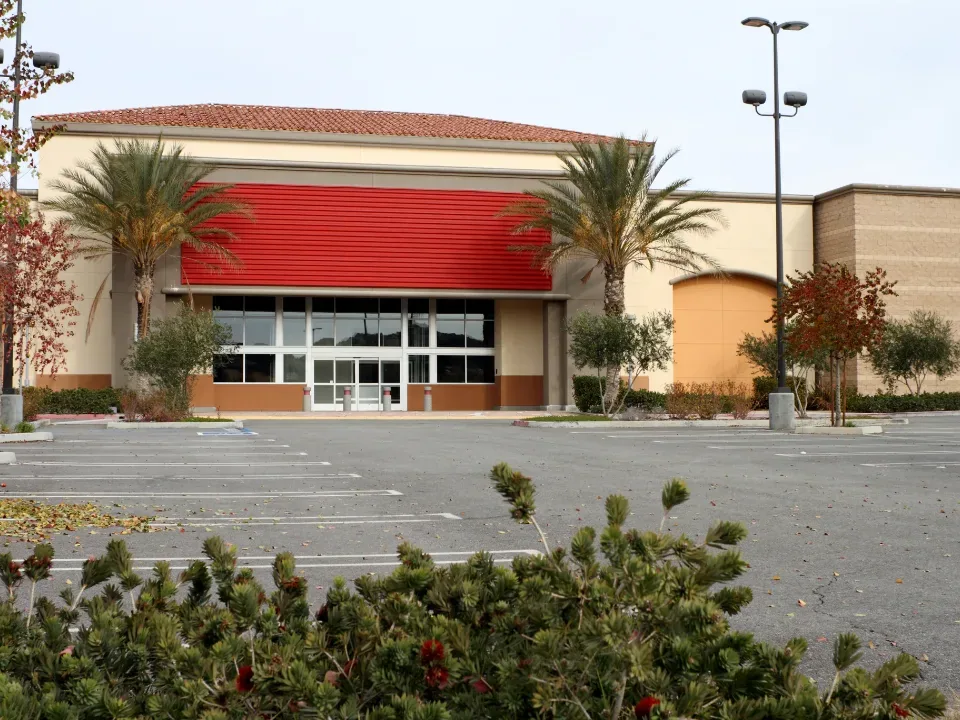
Commercial Big-Box Retail Roofing in Rio Rancho, NM
A lifted parapet cap at a corner can give wind a path beneath the roof edge long before water appears in an aisle. Big-box retail roofs often cover a large sales floor, back-of-house storage, loading docks, offices, and rooftop equipment, so the repair boundary must protect both inventory and daily deliveries. Rio Rancho’s major commercial routes include Southern Boulevard and NM 528, while Albuquerque’s Westside includes the Cottonwood Mall shopping hub. Those places give the regional retail setting; they do not establish the condition or size of a particular roof. We inspect the actual field, perimeter, drains, and penetrations, then set a work sequence around the building contact and delivery schedule. A commercial roof visit in Albuquerque Westside can begin with the affected zone and access window.
Divide the roof into workable areas
A large uninterrupted field can hide several different water paths. We map roof zones by slope, drain group, expansion joint, equipment bank, and perimeter transition. That map helps the facilities lead tie a ceiling or stockroom report to a physical location without assuming the nearest roof fixture is the source. We check seams, curb flashings, skylights, edge metal, and previous repairs, then mark any area that needs a moisture test. A commercial roof inspection can document those observations before the owner compares a localized repair with a broader opening.
Big-box properties may also have a loading canopy, metal entrance feature, or later addition next to the main low-slope field. Each assembly needs its own material identification and termination detail. We inspect where the canopy meets the wall, where drains cross roof areas, and whether equipment work has changed a curb. The Rio Rancho City Center planning area includes commercial and entertainment uses, but that district context does not identify any store’s construction. The report should show the roof layers and defects observed at the inspected building, not infer them from its retail category or floor area.
Protect deliveries and customer circulation
Receiving hours, tractor-trailer turns, customer entrances, fire lanes, and overnight stocking can make a roof access plan more complicated than the repair itself. We confirm where a lift can stage, which dock must remain open, how debris will leave, and what area below the opening needs protection. The daily work limit should end at a secure dry-in point. A phased occupied-building sequence can keep unaffected sales and loading areas available when the roof tie-ins and forecast support it.
Before material arrives, the site contact identifies night-shift noise limits, refrigeration or HVAC service windows, and any vendor who needs roof access during the project. If a unit must move, set its final position before flashing is installed. On a large field, separate staging paths for people, tools, and material so the crew does not cross completed seams unnecessarily. A shopping center roof scope also considers tenant access, while a big-box job may focus on a few major entrances, large delivery doors, and the open sales floor below.
Check drainage from field to discharge
Several drains can serve one broad roof, and a blocked strainer may leave water at the low point even when the nearest outlet is clear. We inspect drain bowls, overflow scuppers, strainers, leaders where accessible, and the membrane that turns into each bowl. A persistent depression can come from compressed insulation or deck geometry rather than a clogged drain. We record whether debris was removed and whether the water path moved afterward. A drainage repair should identify the outlet and any separate piping or structural evaluation still needed.
Water above a sales floor can move through insulation before showing up as a ceiling stain. We compare the interior location with roof slope, deck direction, seams, curbs, and the drain group. If a small test confirms wet insulation, the removal limit should follow the material condition and end at dry, stable layers. A blocked overflow should remain visible in the scope until it is cleared; covering it with a patch or coating can remove a necessary secondary path. The closeout records which outlets were checked and whether flow was verified safely.