
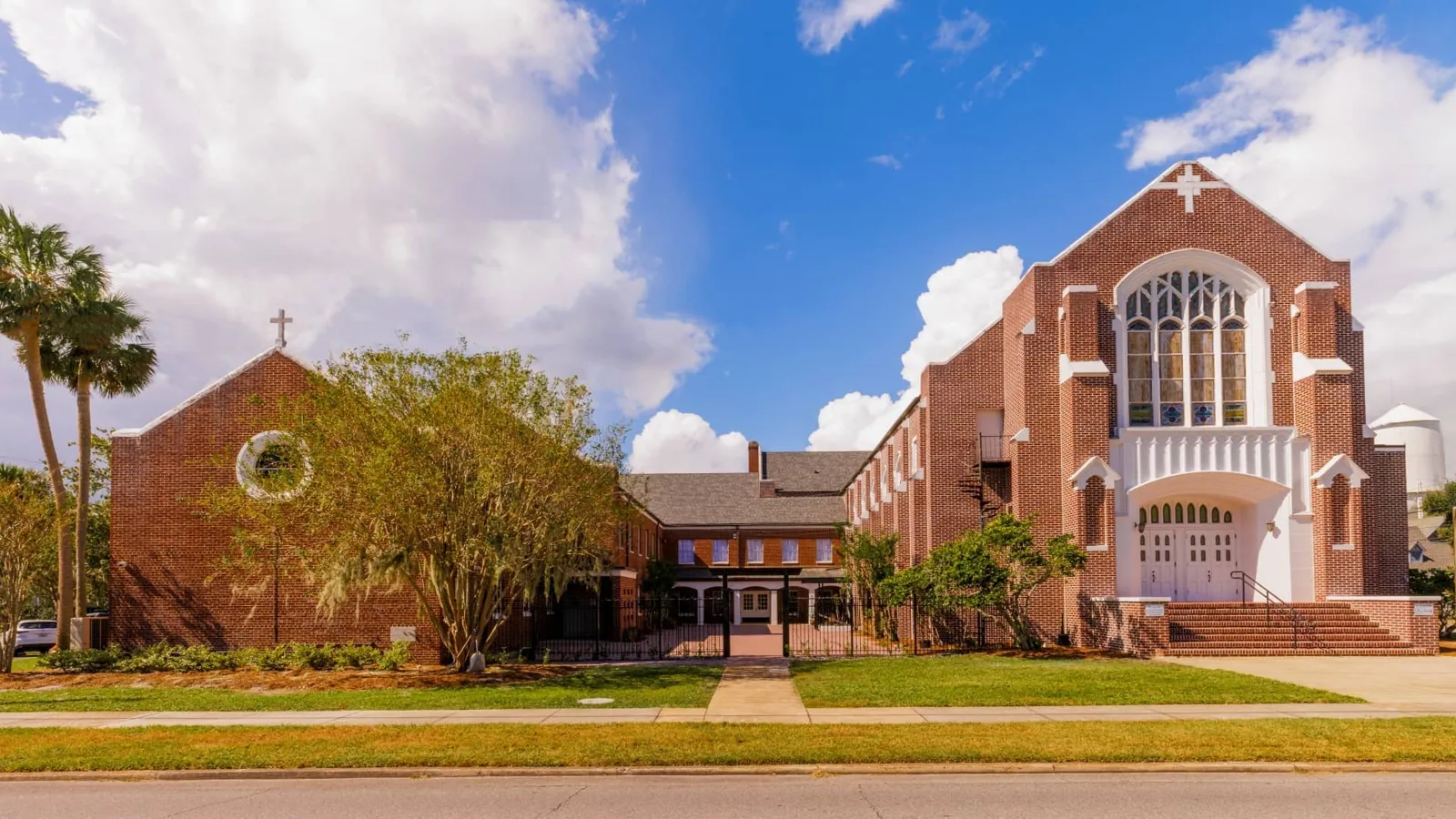
Church Roofing in Rio Rancho, NM
A split at a sanctuary parapet can send water into a ceiling well away from the roof edge. In Rio Rancho, NM, church properties may combine worship rooms, classrooms, offices, kitchens, fellowship halls, and outdoor gathering spaces, each with its own calendar. We trace the leak from roof zone to drain or wall transition, then set a repair boundary that accounts for the room below. The city’s commercial routes include NM 528 and Southern Boulevard, while Corrales directs commercial activity toward Corrales Road and a separate northwest district. Those places give local context; the inspection still has to identify the actual assembly, access, and use at each property. Our scope connects the roof condition to a work window that keeps entrances and scheduled programs in view.
Trace water above the occupied room
A water mark over a sanctuary, kitchen, or classroom does not identify the point of entry. We compare the room report with field seams, drains, curbs, penetrations, parapets, steeple transitions, and previous repair locations. Water can move along a deck or through insulation before it reaches a ceiling finish. The inspection map identifies the tested area, photos, and any section that remains inaccessible. A roof inspection can distinguish a visible opening from a suspected wet layer and list the next test needed to define removal.
Church buildings often have additions with different roof heights, drain routes, or materials. A sanctuary roof may connect to a lower education wing, fellowship room, or kitchen at a wall or expansion joint. We inspect the transition itself, not just the visible membrane field, and note whether water can collect beside a curb or move toward a low point. If indoor access is needed, the property contact identifies the room and a time that will not interrupt a service, meal, or community program. Those findings determine whether a local flashing repair is enough or whether testing must extend to an adjoining roof zone.
Set work windows around services
The weekly calendar is part of the access plan. Confirm worship times, ceremonies, classes, food preparation, deliveries, and community events before setting a lift or staging materials. We map public entrances, accessible paths, fire lanes, and gathering areas so a work route does not cross an active entrance without notice. If the roof can be divided safely, an occupied-building work sequence can keep each shift to a defined section and a secure stopping point. A school roof schedule or fitness-center roof plan also depends on occupied routes, though each building needs its own access map.
Noise over a sanctuary may need a different window from work above an office or storage room. Before opening the roof, we confirm the person who can arrange interior protection, approve additional removal, and coordinate mechanical access. A leak in progress may need a temporary cover before a permanent repair is ready; the record identifies the cover as temporary and sets the next step. Where a fan or rooftop unit will move, a curb and penetration scope coordinates the flashing with the equipment work, leaving a clear path for future service.
Plan for sun, hail, and rain bursts
Summer heat affects exposed roof surfaces, and hail can mark metal details, skylights, and equipment accessories. A 2018 severe storm brought quarter-size hail to the Rio Rancho area. Near Enchanted Hills, July 2018 rain exceeded two inches in about an hour, while another northwest Rio Rancho storm in August approached three inches per hour. Those events make the drain route and daily closure worth checking, but they do not define the condition of a church roof. We inspect the actual seams, edges, and outlets after a reported event, then record visible movement, impact, debris, or water entry.
Corrales Road is a designated neighborhood commercial area, and NM 528 and Southern Boulevard are major commercial routes in the larger market. Nearby worship and community properties can have different roof heights, parking routes, and delivery needs. At any building, we clear strainers only after recording the starting condition, inspect the membrane connection inside the drain bowl, and check overflow openings. A drain and scupper review helps distinguish a blocked outlet from a low area that continues to hold water after cleaning. Hail-related roof repair should name the tested surface and materials that need restoration.