
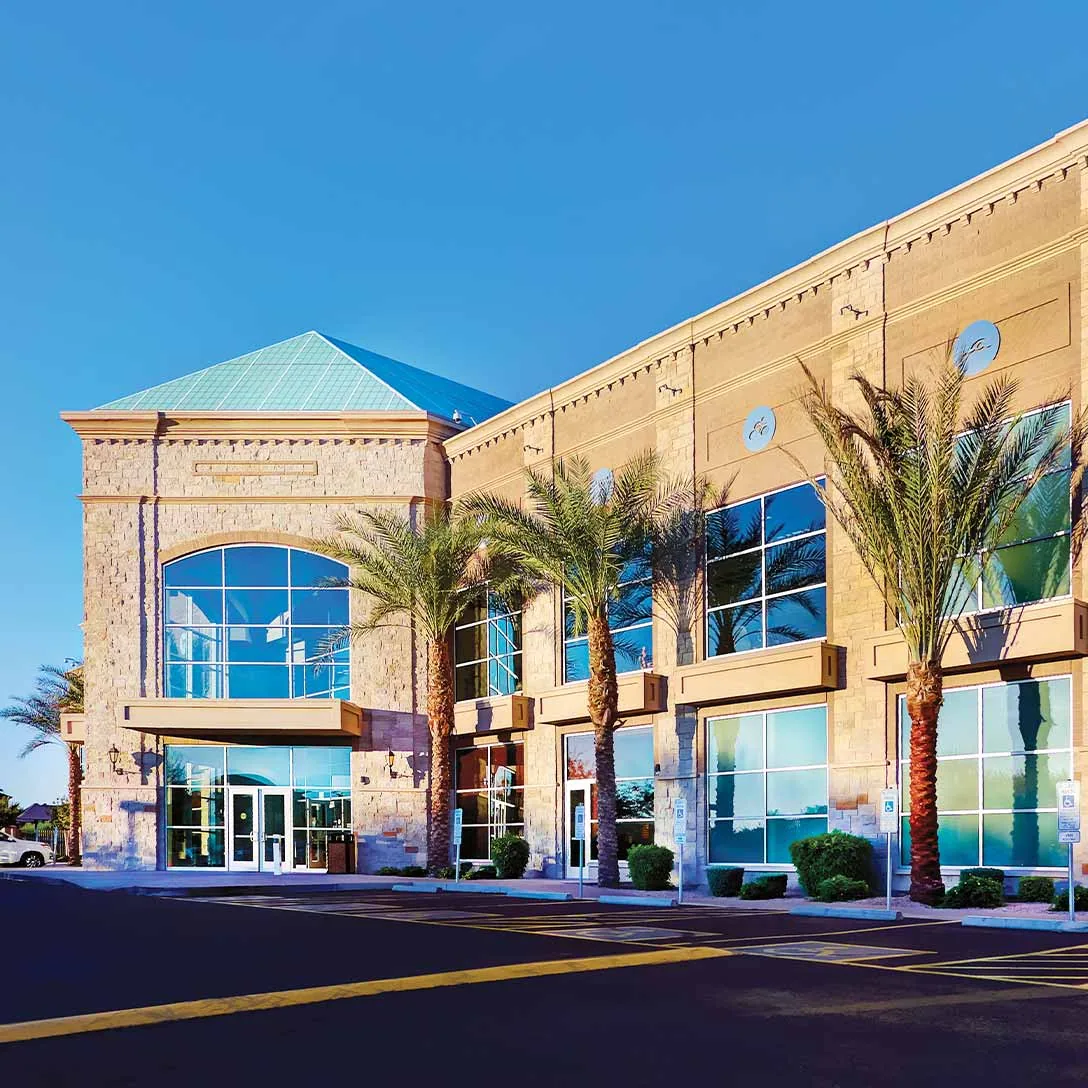
Fitness Center and Recreation Roofing in Rio Rancho, NM
A leak over a locker room can follow a drain line, exhaust curb, or roof seam before it reaches the ceiling. Fitness and recreation buildings combine workout rooms, locker areas, offices, pools or courts, and public entrances with different operating hours. We trace the water path from the reported space, identify the roof zone and materials, and set a boundary that keeps staff, members, and equipment clear of the work. Rio Rancho’s Loma Colorado redevelopment area links school and public amenities, including a sports complex, library, aquatic center, and parks. City Center planning includes entertainment and community uses. Those places help describe the local service context; a roof inspection still establishes the assembly and condition at the actual facility.
Separate roof entry from indoor moisture
Water above a shower, locker, or exercise room may enter well away from the visible mark. We compare the room report with seams, drains, wall transitions, exhausts, skylights, and rooftop equipment. Condensation and plumbing can also affect a ceiling, so the inspection identifies roof evidence before opening a membrane. The map names the roof zone, suspected path, and tested area. A commercial roof inspection can record whether readings, a controlled opening, or a return visit are needed to confirm concealed insulation.
Humidity from indoor pool or shower areas can meet a cooler roof assembly at penetrations and mechanical curbs. Check exhaust ducts, fan supports, condensate lines, and flashing for movement, corrosion, or a gap around the curb. If the system needs shutdown or service, coordinate with the facility contact and mechanical vendor before removing membrane. A curb and equipment review can include the roof interface and maintain access for future service. Keep interior moisture observations distinct from confirmed roof damage so the repair scope follows what the inspection finds.
Keep entrances and activities available
Class schedules, swim lessons, team practice, fitness classes, deliveries, and public recreation can all shape the work window. Before staging materials, identify entry doors, member routes, emergency access, changing areas below the roof, and any activity that cannot move. A lift or debris route should not cross a busy entrance without a planned barrier and notice. An occupied-building roofing sequence can split work into zones, state what stays open, and define the secure tie-in expected at each shift’s end.
Some repairs can be completed above a closed office or storage room while the rest of the facility operates. Work over pools, courts, or equipment areas may need special protection and a different window. We confirm where falling debris could travel, who can arrange interior access, and how staff will reopen the space after closeout. If a leak is active, temporary protection is a distinct first action, not the final repair. The facility contact receives the affected zone, restrictions, and next step in writing before the crew leaves.
Check exposed details after local storms
Rio Rancho’s high-desert sun heats exposed membranes and sealants; hail and monsoon rain add separate checks at edges, accessories, and drains. A 2018 storm brought quarter-size hail to the Rio Rancho area. Another 2018 event delivered over two inches of rain by Enchanted Hills in about an hour, while a northwest-area burst later approached three inches per hour. After a reported event, we inspect the actual roof for a cut, open lap, displaced metal, loose curb, or blocked outlet and photograph what is present.
Loma Colorado sits south of Northern Boulevard and east of Loma Colorado Boulevard, and the planned redevelopment connects amenities and adjacent neighborhoods by internal roads and trails. This broader area context can help with route planning, but it does not describe a particular gym roof. On the property, check strainers, scuppers, overflows, and the membrane-to-drain connection. A drain and scupper service can address a blocked outlet, while a depression that holds water after cleaning needs a separate evaluation. If hail has opened an edge or accessory, hail-related repair should identify the affected material and tested limit.