
Commercial Roofing in Dos Amigos, Rio Rancho, NM

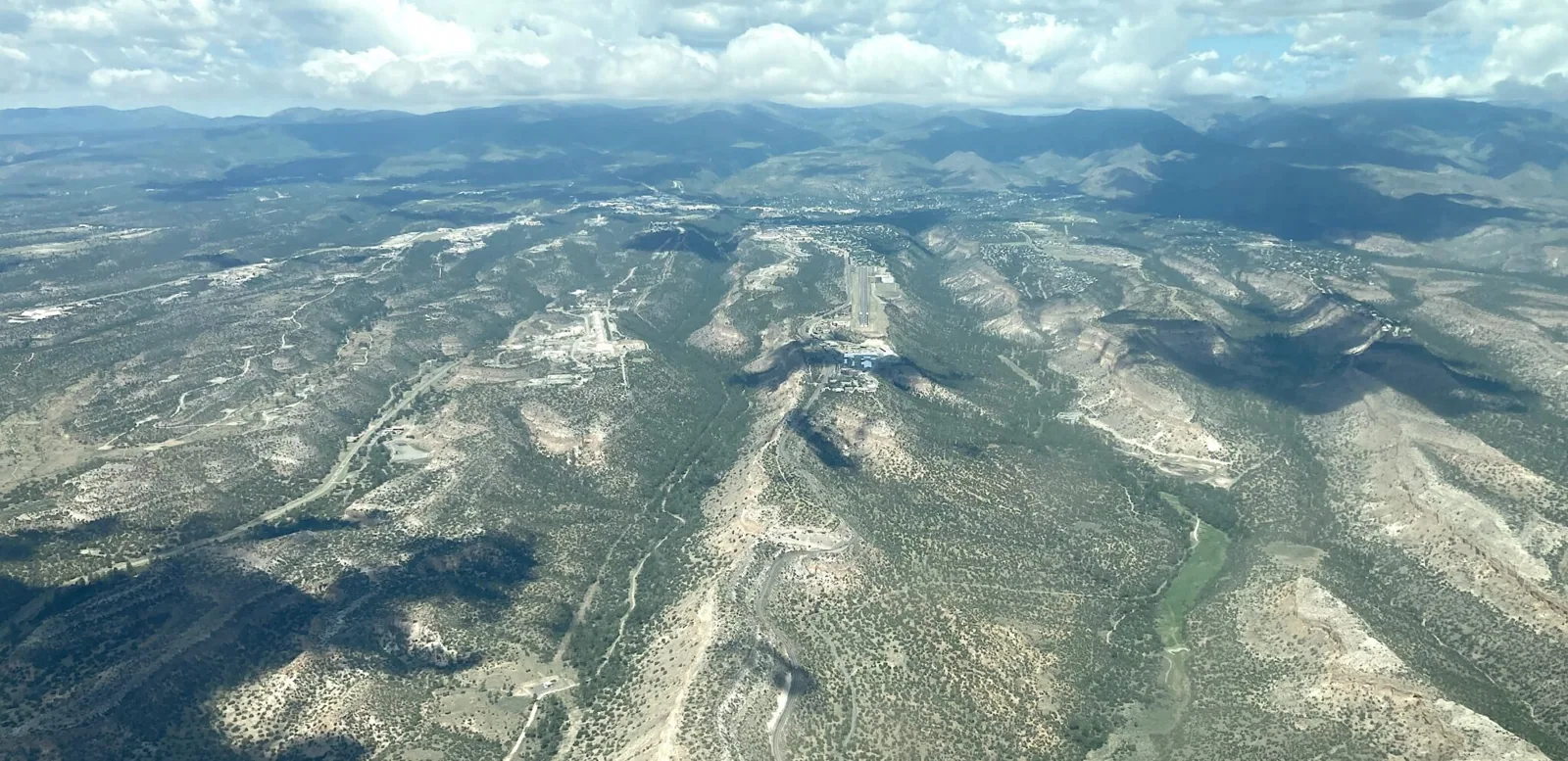
An arroyo-side runoff path can affect roof drainage planning before a repair boundary is set. Dos Amigos is an approximately 530-acre area within Rio Rancho, generally bounded by Paseo del Volcan, Unser Boulevard, and Los Montoyas Arroyo. The city describes the upland terrain as flat to rolling and cut by arroyos. Its plan addresses proposed land use, access, utilities, drainage, and design standards across Rio Rancho Estates Unit 12 and Cielo Grande. We inspect the actual commercial roof, confirm the membrane and outlets, and coordinate work access with the owner.

Check access and drainage together

The area's terrain description and drainage planning make it useful to verify where water leaves a property, but neither fact identifies a roof defect. We confirm the site entrance, roof hatch, safe walking route, staging point, and any restrictions below. At the roof, we trace runoff to bowls, scuppers, overflows, and perimeter transitions. If a leak report is near an interior wall, we also inspect the membrane and flashing along the likely path. An occupied-building work sequence can set protection and access around staff or tenant operations.

Paseo del Volcan, Unser Boulevard, and Los Montoyas Arroyo define the broad planning area, while a separate Unser Gateway West visit has its own district boundaries and access context. The City Center area is another planned district in Rio Rancho. These location pages are not roof surveys; each property needs its own route, system verification, and field findings. We keep photos and repairs tied to the address and roof zone examined.

Verify membrane before repair

A leak can enter through a seam, penetration, curb, wall, or drain and travel before it shows indoors. We compare the reported ceiling area with the roof plan, follow the likely water path, probe suspect laps, and inspect nearby flashing. If the assembly below could change the work scope, moisture testing can help select a controlled opening. The roof inspection records visual conditions separately from test results and notes any zone that could not be reached.

The Dos Amigos plan addresses proposed uses and infrastructure; it does not inventory completed commercial buildings or their roofing materials. We identify the installed system from product records and field details. TPO, PVC, EPDM, modified bitumen, built-up, and metal each call for appropriate preparation and tie-ins. If the roof is confirmed as metal, a metal roof assessment may frame the fastener, seam, and transition checks. We do not select a repair material until the substrate and field assembly have been confirmed.

Inspect roof and outlet after storms

Rio Rancho's strong sun and summer heat affect surface conditions, while seasonal hail can mark membranes and metal. We inspect the actual roof for open laps, punctures, lifted edges, loose fasteners, and flashing movement before defining damage. A hail damage review photographs the affected area and states whether an opening was confirmed. Marks without a cut or separation remain observations, not a repair claim.

Short monsoon bursts can send water rapidly toward roof outlets. Albuquerque's normal rainfall peaks in July and August, and localized monsoon storms have occurred near Rio Rancho. The plan's arroyo context is not a substitute for checking a building's own drain path. We inspect bowl, overflow, scupper, and downspout connections, then observe flow after debris is cleared. A drain and scupper check documents the outlet. If water continues to stand, a ponding-water assessment considers slope, insulation, and whether a larger repair is warranted.

Compare local repair with replacement

A bounded opening on stable membrane may be repaired without disturbing other roof zones. Repeated leaks, wet insulation, failed attachment, or deterioration across several sections can change the recommendation. We measure the affected areas, inspect edge heights, and note access, equipment, and staging constraints. Cost and timing depend on test openings, removal, insulation, dry-in, debris handling, and property operations. A commercial repair scope identifies the defect and materials; a replacement comparison uses verified layers and transitions rather than a district plan. We also review roof perimeter, equipment clearances, and the size of each isolated wet area. If access to a section is limited, the owner receives that limitation in writing and a clear description of the test needed to finish the comparison. This keeps a budget decision from relying on an uninspected zone.

If a coating is considered, we check the substrate, adhesion, moisture, drainage, and open seams first. A coating does not correct an arroyo-side site drainage issue or trapped moisture below the roof. A restoration evaluation documents preparation and the conditions that must be repaired before application. If an owner needs several work stages, we label the tested zone, set dry-in expectations, and show what is included in the current approval versus a later project.

Tie every finding to a roof zone

Closeout lists the confirmed membrane, repair material, probe or test, restored seam or flashing, photos, zone label, and any open item. We record whether water protection was temporary or permanent and note any access limit. Warranty or project documents supplied by the owner are reviewed before changing a protected detail. A marked plan can preserve findings and follow-up priorities for facility staff. The contact receives the photos with the closeout summary.

Dos Amigos planning covers Unit 12 and Cielo Grande, including land use, access, utilities, drainage, and design standards. Those topics describe the planning area's future framework. The roof record remains about the actual property and system inspected. If a later equipment or utility project changes a curb, conduit, or roof opening, add the vendor visit and affected location so the next inspector can distinguish new work from the repair already closed. Separate buildings and zones need separate photos and repair limits.

For a service visit, provide the building location, access contact, roof plan, reported leak or condition, available records, and acceptable work window. We confirm staging and interior protection before mobilizing. For urgent water entry, our crew can respond after hours, weekends, and holidays to stabilize the area. We then return to test the assembly and complete the permanent scope. The closeout shows the material installed, the area verified, and any follow-up needed after access is restored.

Common Questions About Dos Amigos

Does the Dos Amigos terrain description mean a roof has drainage problems?

No. It describes the broader upland area and arroyos, not a roof's slope or outlet condition. We inspect the building's actual roof plane, drain bowls, scuppers, and discharge route before identifying a drainage issue.

What roads and features define Dos Amigos?

The plan places the area generally between Paseo del Volcan, Unser Boulevard, and Los Montoyas Arroyo. It spans Unit 12 and Cielo Grande. We still need a property location and approved entrance to coordinate service.

Can you find the source of a leak without removing roofing?

A probe or surface inspection may confirm an open seam or flashing, but testing below the membrane can be needed when insulation condition changes the repair. We identify what was tested and whether an opening is still required.

How do you check drainage after monsoon rain?

We inspect the bowl, overflow, scuppers, low spots, and adjacent details and watch whether water drains after debris is removed. Regional rainfall history prompts a check but does not establish the condition of this property.

What makes a roof replacement take longer in a planned area?

Access, staging, approvals, wet insulation, tear-off, temporary dry-in, equipment, and occupied-space protection all affect timing. We confirm those factors at the site and distinguish verified scope from any later phase.

Schedule a Dos Amigos roof inspection

Send the building location, roof plan, reported concern, access contact, and work window. We will verify the assembly, check drainage, and document the tested repair boundary.